


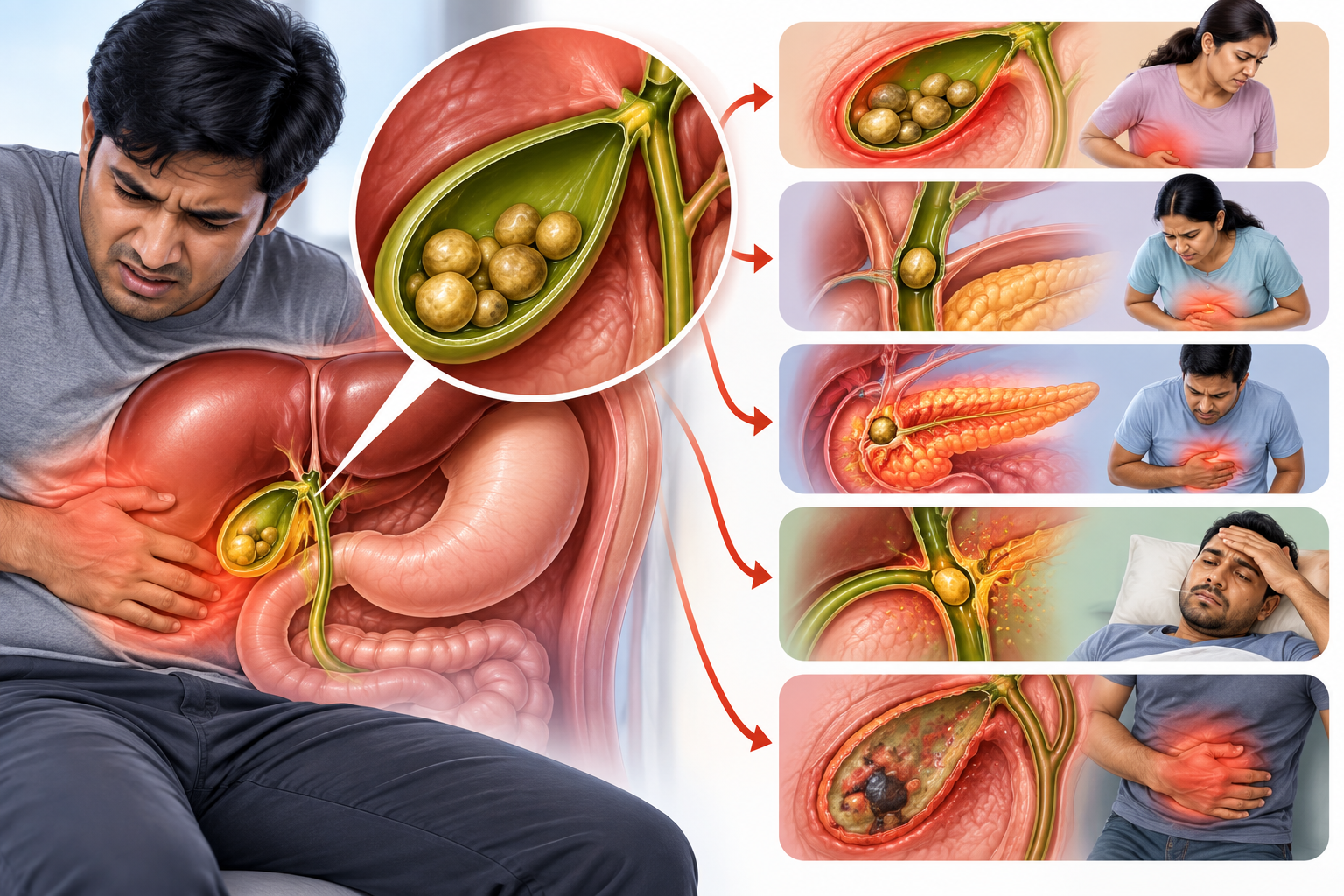

Gallstones are far more common than many people realize, and a significant number of people carry them without ever knowing often discovered only incidentally, during a scan done for something else entirely. Having gallstones does not automatically mean surgery is on the horizon. For many, gallstones remain silent and cause no problems at all.
But for others, gallstones become symptomatic or lead to complications involving the gallbladder, bile ducts, pancreas, or surrounding structures. This raises a common and reasonable question: what actually happens if gallstones are left untreated? For anyone considering Gallstone Treatment in Cuttack, the honest answer is that it depends on whether the stones are asymptomatic, symptomatic, recurrent, or already associated with complications. Understanding this distinction is often the first step.
What Are Gallstones?
The gallbladder is a small organ beneath the liver that stores bile, a fluid that helps digest fat. Gallstones are hardened deposits that form within the gallbladder when substances in bile mainly cholesterol or bilirubin crystallize.
Gallstones are broadly categorized as cholesterol stones or pigment stones, and they can vary considerably in size and number, from a single small stone to multiple stones of varying sizes. Many gallstones are discovered incidentally during an ultrasound or scan performed for an unrelated reason.
It’s useful to think of gallstones in three broad categories:
- Asymptomatic gallstones — present but causing no symptoms
- Symptomatic gallstones — causing recognizable digestive symptoms
- Complicated gallstone disease — associated with inflammation, obstruction, or infection
What Causes Gallstones?
Gallstones form due to a combination of factors, and no single cause applies to everyone. Recognized risk factors include:
- Increasing age
- Family history of gallstones
- Certain dietary and metabolic factors
- Obesity
- Rapid weight loss
- Pregnancy
- Certain underlying medical conditions
- Some medications or hormonal factors
These are associations, not guarantees many people with several risk factors never develop gallstones, while others with none still do. It’s also worth noting that gallstone formation is more complex than commonly repeated ideas like “oily food causes gallstones” suggest; diet is only one of several contributing factors.
Symptoms of Gallstones
Many gallstones cause no symptoms at all and may only be found incidentally. When gallstones do become symptomatic, patients may notice:
- Pain in the upper right or upper middle abdomen
- Pain that tends to occur after meals, particularly fatty meals, in some patients
- Pain that may radiate toward the back or right shoulder
- Nausea
- Vomiting
- Indigestion or general abdominal discomfort
These symptoms overlap with several other digestive conditions and cannot, on their own, confirm gallstones as the cause. Severe or persistent symptoms should always be professionally evaluated rather than assumed to be gallstone-related.
What Can Happen If Gallstones Are Left Untreated?
Whether untreated gallstones lead to problems depends heavily on whether they are asymptomatic or symptomatic. Importantly, not everyone with incidentally discovered, asymptomatic gallstones goes on to develop complications, and not everyone in this category needs surgery. For those with symptomatic or complicated gallstone disease, however, a number of complications are possible if the condition isn’t appropriately evaluated and managed.
Recurrent Biliary Colic
A gallstone can intermittently block the outlet of the gallbladder, causing episodes of upper abdominal pain that may come and go, often triggered by meals.
Acute Cholecystitis
When obstruction persists, it can lead to inflammation of the gallbladder itself. This may present with persistent upper abdominal pain, fever, nausea or vomiting, and tenderness over the abdomen. These symptoms should not be self-diagnosed and require clinical assessment.
Choledocholithiasis
Sometimes a stone migrates out of the gallbladder and lodges in the common bile duct, the channel that carries bile to the intestine. This can disrupt normal bile flow and may lead to jaundice or abnormal liver test results.
Cholangitis
Obstruction of the bile duct can, in some cases, become associated with infection of the biliary system. Suspected cholangitis is considered a medical emergency and requires prompt evaluation and treatment.
Gallstone Pancreatitis
A gallstone can occasionally obstruct the shared drainage area of the bile and pancreatic ducts, which may trigger acute pancreatitis. Severe upper abdominal pain, vomiting, or other concerning symptoms in this context require urgent medical assessment.
Gallbladder Complications
In some cases, severe or prolonged gallbladder inflammation can lead to further complications that require urgent medical or surgical management. These situations are less common but are part of why persistent symptoms shouldn’t be ignored.
When Should You See a Doctor?
Medical evaluation is generally advisable for:
- Recurrent upper abdominal pain
- Persistent abdominal discomfort
- Repeated pain after meals
- Nausea or vomiting occurring alongside abdominal pain
- Previously diagnosed gallstones with new or recurring symptoms
- Unexplained jaundice
- Recurrent digestive symptoms in someone with known gallstones
Certain symptoms should be treated as urgent warning signs rather than routine complaints:
- Severe or worsening abdominal pain
- Fever accompanying abdominal pain
- Yellowing of the skin or eyes
- Persistent vomiting
- Dark urine with pale stools, in the appropriate clinical context
- Significant weakness or confusion
- Severe abdominal pain together with vomiting
These symptoms can have multiple causes, but in the context of known or suspected gallstones, they can sometimes point to complications that need urgent attention. This doesn’t mean every person with gallstones needs immediate surgery — it means these particular symptoms warrant prompt evaluation.
How Are Gallstones Diagnosed?
Diagnosis usually begins with a medical history, a review of symptoms, and a physical examination. Depending on the clinical picture, further investigations may include:
- Abdominal ultrasound
- Blood tests
- Liver function tests
- Other imaging when clinically indicated
- MRCP or other specialized imaging in select cases
- Endoscopic procedures in certain situations
Not every patient requires every test — the specific work-up depends on the symptoms presented and whether complications are suspected.
Treatment Options for Gallstones
Treatment depends on whether gallstones are asymptomatic, symptomatic, or complicated.
Observation
Some people with asymptomatic gallstones may not need immediate treatment and can instead be monitored, depending on their individual clinical picture. This isn’t a rule that applies universally it depends on the specific case.
Medical Management
Certain symptoms or related conditions may initially be managed with medical treatment, depending on the diagnosis. Specific medications and dosing are matters for direct clinical discussion with your doctor.
Endoscopic Treatment
Stones located in the bile duct may sometimes be treated using endoscopic procedures such as ERCP, when clinically indicated.
Surgical Treatment
Laparoscopic cholecystectomy surgical removal of the gallbladder using minimally invasive techniques is commonly used for appropriate patients with symptomatic or complicated gallbladder disease. This does not mean every person with gallstones needs their gallbladder removed.
When Is Gallbladder Surgery Required?
Surgery may be recommended depending on the specific clinical situation, including:
- Recurrent symptomatic gallstones
- Acute cholecystitis
- Certain complications of gallstone disease
- Some cases involving bile duct-related complications, after appropriate evaluation
- Other gallbladder conditions where removal is clinically indicated
Laparoscopic gallbladder surgery involves removing the gallbladder through small incisions using specialized instruments. Whether surgery is recommended, and when, depends on the diagnosis, severity, the patient’s overall health, surgical risks, and clinical judgment. Laparoscopic surgery is not automatically the right approach for every patient some cases may require an open surgical technique instead.
What to Expect During Recovery
Recovery after gallbladder surgery generally involves:
- Post-operative observation
- Pain management guided by the medical team
- A gradual return to normal food intake, as advised
- Wound care
- Activity recommendations from the surgical team
- Follow-up appointments
Recovery varies from patient to patient and depends on the complexity of the procedure and individual health factors. Your treating surgeon will provide specific, individualized post-operative instructions rather than a fixed recovery schedule.
Finding Gallstone Care in Cuttack
Patients searching for Gallstone Treatment in Cuttack are often trying to understand recurrent abdominal pain, previously diagnosed gallstones, or possible gallbladder-related complications. When considering a gallbladder surgeon in Cuttack, it can help to think through a few practical points:
- Appropriate surgical qualifications
- Experience managing gallbladder conditions
- A proper diagnostic evaluation before any treatment recommendation
- Clear explanation of available treatment options
- Discussion of both surgical and non-surgical approaches where relevant
- A plan for appropriate follow-up
- Transparent, honest communication throughout
A gallstone consultation in Cuttack is generally the right starting point whether you’re dealing with new symptoms, a known diagnosis, or simply want clarity on incidentally discovered stones.
Frequently Asked Questions
1. Can gallstones go away on their own?
Gallstones generally do not dissolve or disappear on their own, though asymptomatic stones may remain silent for years without causing problems.
2. Do all gallstones require surgery?
No. Many asymptomatic gallstones are simply monitored. Surgery is generally considered for symptomatic or complicated gallstone disease.
3. What happens if symptomatic gallstones are not treated?
Ongoing symptoms can persist or worsen, and in some cases, complications such as cholecystitis, bile duct obstruction, or pancreatitis can develop.
4. Can gallstones cause pancreatitis?
Yes, in some cases a gallstone can obstruct the shared duct drainage area and trigger acute pancreatitis, which requires urgent medical attention.
5. Can gallstones cause jaundice?
Yes, if a stone obstructs the bile duct, it can interfere with bile flow and lead to jaundice, among other symptoms.
6. When is laparoscopic gallbladder surgery recommended?
It’s generally considered for patients with recurrent symptomatic gallstones, acute cholecystitis, or certain other complications, based on individual clinical assessment.
7. What symptoms of gallstones require urgent medical attention?
Severe abdominal pain, fever, jaundice, persistent vomiting, or signs of significant weakness should be treated as urgent.
8. How do I find a gallstone specialist in Cuttack?
Look for a surgeon with relevant qualifications and specific experience in gallbladder and laparoscopic surgery, and consider a referral from your primary physician if needed.
Conclusion
Gallstones affect people differently some carry them without ever knowing, while others develop symptoms or complications that need timely attention. Left unaddressed, symptomatic or complicated gallstone disease can sometimes lead to serious issues involving the gallbladder, bile ducts, or pancreas. At the same time, not every person with gallstones needs surgery the right approach depends on symptoms, diagnosis, complications, and individual clinical factors. If you have known gallstones or recurring symptoms, seeking Gallstone Treatment in Cuttack through a proper evaluation is a sensible next step.
About Dr. Harish Chandra Mishra
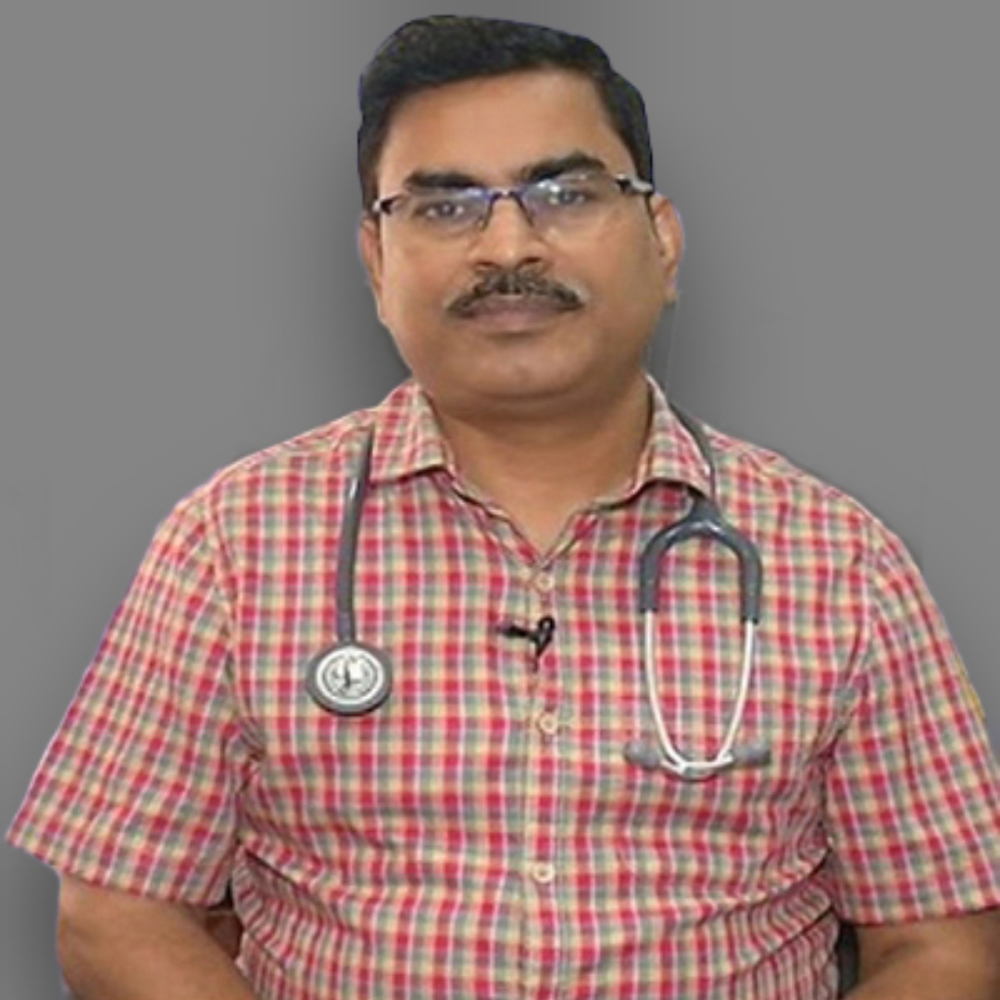
Laparoscopic, Cancer & GI Surgeon Cuttack, Odisha
Dr. Harish Chandra Mishra is a laparoscopic, cancer, and gastrointestinal surgeon in Cuttack, Odisha, focused on the evaluation and surgical management of gallbladder and gastrointestinal conditions, including gallstone disease With a focus on minimally invasive and evidence-based surgical care, Dr. Harish Chandra Mishra evaluates each patient individually to determine whether gallstones require treatment and, if so, the most appropriate approach. Not every case of gallstones needs surgery asymptomatic stones may simply be monitored. However, when symptoms such as abdominal pain, bloating, nausea, or jaundice occur, timely specialist evaluation is important. For patients seeking Gallstone Treatment in Cuttack, Dr. Mishra offers clear guidance on diagnosis, treatment options, and what to expect before and after surgery..
Visit Life Institute of Gastroenterology and Gynecology | Best 24/7 Surgical Hospital.
Address :- Potapokhari, Block Chhaka, Naya Bazaar, Kataka, Odisha 753004.

