





It often starts small. A bit of acidity after a late-night meal. Bloating that comes and goes. A day of loose motions after eating out. Most adults have experienced these digestive symptoms at some point. They are uncomfortable but usually temporary. However, some warning signs of digestive problems should never be ignored. Recognising these red flags early can help you or your family decide when to manage symptoms at home and when to consult a Digestive Problem Specialist in Cuttack without panicking over everyday stomach upsets or delaying help when it truly matters.
Vomiting Blood
Blood in vomit can indicate bleeding somewhere in the upper digestive tract the food pipe, stomach, or upper small intestine. The blood may appear bright red or dark and coffee-ground-like. Vomiting blood requires prompt medical assessment. Do not try to treat it at home or wait to see if it stops.
Black or Tarry Stools
Black, sticky, tar-like stools can sometimes indicate bleeding higher up in the gastrointestinal tract. However, certain foods (like licorice), iron supplements, or some medications can also darken stool. If the color change is unexplained or comes with weakness or dizziness, it should be medically assessed.
Blood in the Stool
Blood in stool can have many causes hemorrhoids, anal fissures, infections, inflammatory bowel disease, polyps, or other gastrointestinal conditions. Persistent, recurrent, unexplained, or significant bleeding should not be ignored. Do not assume rectal bleeding is always due to hemorrhoids.
Severe or Persistent Abdominal Pain
Mild, occasional abdominal discomfort is common. But severe, sudden, persistent, or worsening abdominal pain requires medical assessment. Pain accompanied by vomiting, fever, abdominal swelling, fainting, blood in stool, or inability to pass stool or gas may require urgent evaluation. Only a doctor can determine the cause after examination and tests.
Persistent Vomiting or Inability to Keep Fluids Down
Repeated vomiting can lead to dehydration and may sometimes indicate a more significant gastrointestinal problem. Warning signs of dehydration include dizziness, severe weakness, very low urine output, dry mouth, and fainting. Urgent medical evaluation may be necessary if vomiting continues for more than a day or two or if you cannot keep fluids down.
Unexplained Weight Loss
Losing weight without trying especially alongside persistent digestive symptoms may require medical evaluation. There are many possible causes, including thyroid problems, chronic infections, and gastrointestinal conditions. Unexplained weight loss does not automatically mean cancer, but it should be discussed with a doctor.
Significant Abdominal Swelling or Distension
A belly that suddenly becomes swollen, hard, or distended may require urgent evaluation, particularly when accompanied by severe pain, vomiting, inability to pass stool, inability to pass gas, or fever. This combination of symptoms can sometimes indicate a blockage or other serious problem.
Difficulty or Pain When Swallowing
Difficulty swallowing (dysphagia) means food feels like it is stuck. Painful swallowing (odynophagia) means it hurts when food goes down. Persistent or progressive difficulty swallowing should be assessed by a doctor. Sudden inability to swallow or choking-related symptoms may require urgent attention.
Other Digestive Symptoms That Should Be Evaluated
Some symptoms may not be emergencies but should not be ignored if they persist or recur. These include persistent heartburn, recurrent indigestion, chronic constipation, persistent diarrhoea, recurrent bloating, persistent nausea, recurrent abdominal discomfort, and significant changes in bowel habits. Ongoing symptoms may have different underlying causes and should not be repeatedly self-treated without evaluation.
When Should You Go to the Emergency Department?
Seek emergency medical care if you experience:
- Vomiting blood
- Significant gastrointestinal bleeding
- Black or tarry stools with weakness or dizziness
- Severe or rapidly worsening abdominal pain
- Fainting or near-fainting with digestive symptoms
- Severe dehydration
- Persistent vomiting with inability to keep fluids down
- Severe abdominal swelling with inability to pass stool or gas
- Sudden and significant deterioration in health
Potentially life-threatening symptoms should be assessed through emergency medical services rather than waiting for a routine appointment.
Frequently Asked Questions About Digestive Problems
1. What are the warning signs of a serious digestive problem?
Warning signs include vomiting blood, black or tarry stools, blood in stool, severe or worsening abdominal pain, persistent vomiting, difficulty swallowing, unexplained weight loss, and significant abdominal swelling. These symptoms do not automatically mean a serious disease, but they require prompt medical assessment.
2. When should abdominal pain require immediate medical attention?
Seek immediate care if abdominal pain is sudden, severe, persistent, or getting worse especially with vomiting, fever, abdominal swelling, fainting, or blood in vomit or stool. Do not wait for a routine appointment.
3. Is blood in stool always an emergency?
Not always. Small amounts from hemorrhoids or a minor anal tear may not be an emergency. However, persistent, recurrent, large-volume, or unexplained bleeding requires medical evaluation. Do not assume it is harmless without a doctor’s assessment.
4. When should I see a gastroenterologist?
Consider seeing a gastroenterologist if digestive symptoms last more than two to four weeks, keep returning, affect daily life, or are associated with weight loss, bleeding, or changes in bowel habits. Your general physician can also guide you.
5. What should I do if I vomit blood?
Vomiting blood requires prompt medical assessment. Go to an emergency department or seek urgent medical care immediately. Do not attempt to treat it at home or wait to see if it stops.
Conclusion
Most digestive symptoms are manageable and not emergencies. But certain warning signs of digestive problems digestive bleeding, severe abdominal pain, persistent vomiting, significant abdominal swelling, difficulty swallowing, unexplained weight loss, and major changes in bowel habits require prompt attention. If you or a family member in Cuttack experiences persistent, worsening, or concerning symptoms, seek appropriate medical care. Consulting a gastroenterologist in Cuttack can help you get an accurate diagnosis and appropriate treatment.
About Dr. Harish Chandra Mishra
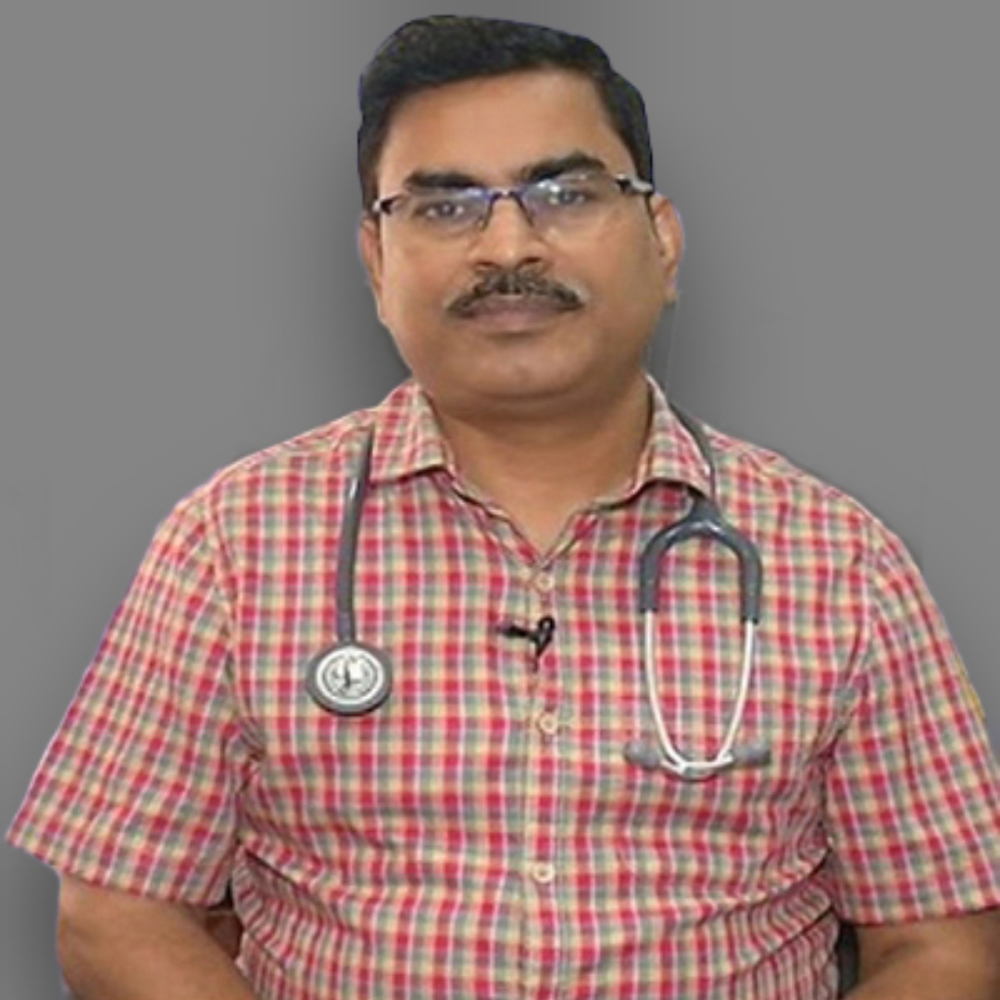
A professional doctor can help patients understand the causes of digestive problems and recommend an appropriate treatment and management plan based on their individual condition. Dr. Harish Chandra Mishra approaches each patient with this understanding at the center of his practice.
As a Laparoscopic, Cancer & GI Surgeon, Dr. Mishra focuses on the diagnosis and surgical management of gastrointestinal and liver-related conditions, including complex cases associated with advanced fatty liver disease and its complications. His approach emphasizes accurate evaluation, personalized treatment planning, lifestyle and medical management where appropriate, and surgical intervention when required.
Visit Life Institute of Gastroenterology and Gynecology | Best 24/7 Surgical Hospital
Address :- Potapokhari, Block Chhaka, Naya Bazaar, Kataka, Odisha 753004

