


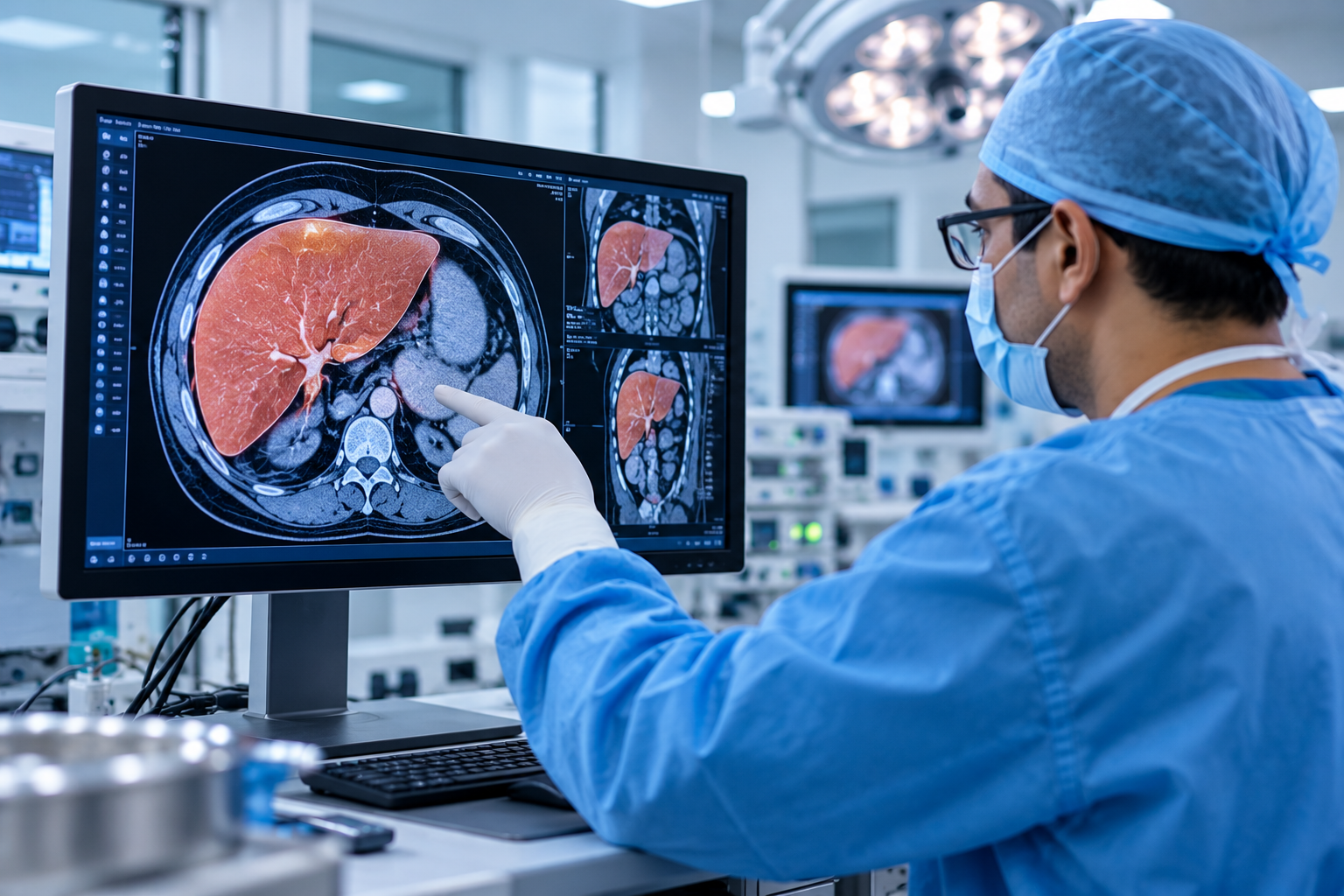

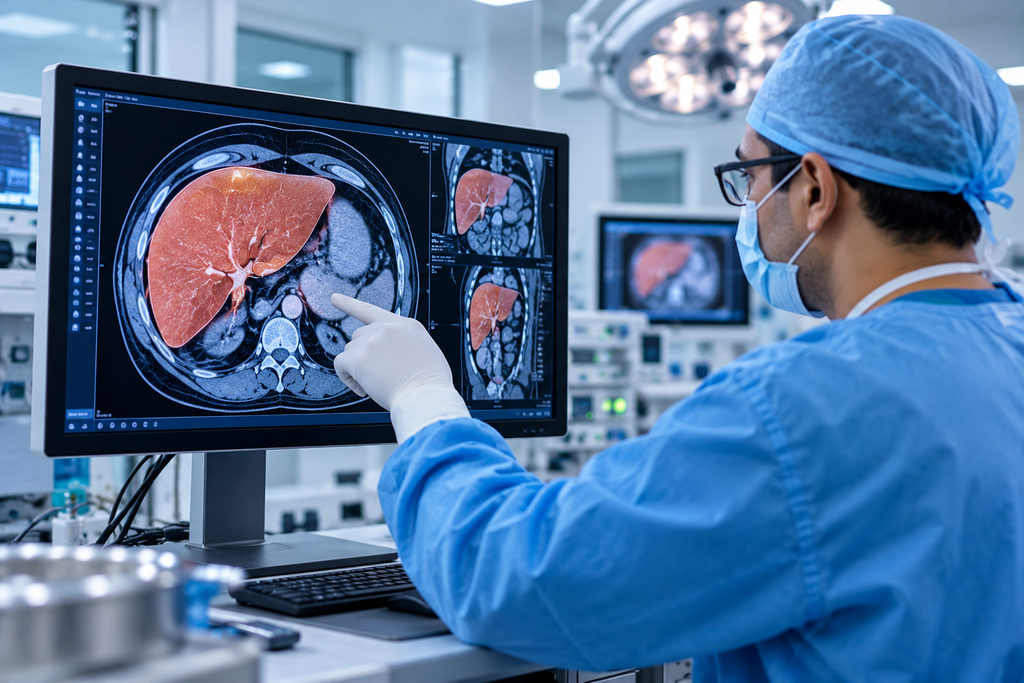
Liver cancer often develops silently. For those seeking liver cancer treatment in Cuttack, it is important to understand that in its early stages, the disease may cause no obvious symptoms, and when symptoms do appear, they can overlap with many other liver, digestive, or general health conditions. This makes it difficult for patients to recognize the disease on their own. If you or someone you care about has persistent or unexplained symptoms such as ongoing fatigue, unexplained weight loss, abdominal discomfort, or jaundice, it is important to seek medical evaluation rather than self-diagnose. A professional assessment can determine the actual cause and guide appropriate next steps.
What Is Liver Cancer?
The liver is a vital organ located in the upper right side of the abdomen. It performs hundreds of essential functions, including processing nutrients, filtering toxins from the blood, producing bile for digestion, and making proteins that help blood clot. Because of its central role in metabolism, the liver can be affected by many diseases and conditions.Liver cancer means that abnormal cells in the liver begin to grow uncontrollably. There are two main categories:
Primary liver cancer begins in the liver itself. The most common type of primary liver cancer in adults is hepatocellular carcinoma (HCC) , which arises from the main liver cells called hepatocytes. Other primary liver cancers, such as intrahepatic cholangiocarcinoma, are less common. Metastatic liver cancer occurs when cancer starts in another organ—such as the colon, breast, lung, or pancreas—and spreads to the liver. This is more common than primary liver cancer, and it is treated differently from cancer that originates in the liver.
Early Warning Signs and Symptoms of Liver Cancer
Most people with early-stage liver cancer do not experience symptoms. When symptoms do develop, they may include:
- Unexplained weight loss
- Loss of appetite
- Persistent fatigue or weakness
- Upper abdominal discomfort or pain, especially on the right side
- Feeling full quickly when eating
- A lump or sense of fullness in the upper abdomen
- Nausea or vomiting
- Jaundice yellowing of the skin and the whites of the eyes
- Dark urine or pale, chalky stools
- Persistent itching
- Abdominal swelling (ascites)
- Unexplained worsening of existing liver symptoms
These symptoms do not automatically mean cancer. Many other conditions including hepatitis, cirrhosis, gallstones, and gastrointestinal disorders can cause similar symptoms. However, persistent or unexplained symptoms should be evaluated by a doctor to determine the underlying cause.
What Are the Risk Factors for Liver Cancer?
Certain factors increase the likelihood of developing primary liver cancer. These include:
- Chronic hepatitis B infection — a major risk factor worldwide
- Chronic hepatitis C infection — another significant viral cause
- Cirrhosis — scarring of the liver from any cause, including viral hepatitis, alcohol-related liver disease, or metabolic conditions
- Metabolic dysfunction-associated steatotic liver disease (MASLD) — previously known as non-alcoholic fatty liver disease; up to 38% of HCC cases may be attributable to MASLD, even in the absence of cirrhosis
- Heavy alcohol-related liver disease
- Certain inherited or metabolic conditions — such as hemochromatosis (iron overload)
- Exposure to aflatoxins — toxins produced by certain molds that can contaminate food
- Obesity and diabetes — increasingly recognized as contributing factors
Having a risk factor does not mean a person has liver cancer or will definitely develop it. However, people with chronic liver disease—especially cirrhosis or chronic hepatitis B or C—may benefit from regular medical monitoring. Clinical guidelines recommend surveillance with ultrasound and alpha-fetoprotein (AFP) testing every six months for at-risk individuals, as this can help detect liver cancer at an earlier, more treatable stage.
When Should You See a Doctor?
Seek medical evaluation if you experience:
- Persistent upper abdominal pain or discomfort
- Unexplained weight loss
- New or worsening jaundice (yellowing of the skin or eyes)
- Abdominal swelling or bloating
- Persistent loss of appetite
- A new abdominal lump or sense of fullness
- Unexplained deterioration in someone with known chronic liver disease
- Sudden worsening of symptoms in someone with cirrhosis or chronic hepatitis
Routine specialist evaluation is appropriate for persistent symptoms that are not urgent but need investigation. Urgent medical attention is warranted for severe abdominal pain, confusion, breathing difficulty, fainting, or rapid deterioration. These symptoms do not confirm liver cancer, but they require prompt assessment to rule out serious conditions.
How Is Liver Cancer Diagnosed?
Diagnosis typically involves a combination of assessments:
- Medical history and physical examination — including risk factors, symptoms, and family history
- Liver function tests — blood tests that show how well the liver is working
- Alpha-fetoprotein (AFP) — a blood marker that can be elevated in liver cancer, though it can also be elevated in other conditions
- Ultrasound — often the first imaging test; it can distinguish fluid-filled cysts from solid masses
- Contrast-enhanced CT scan — provides detailed images of the liver and surrounding tissues
- MRI — offers detailed images and information about blood flow within the liver
- Biopsy — in selected cases, a small sample of liver tissue is examined under a microscope to confirm the diagnosis
Not every patient requires all these tests. The diagnostic pathway is individualized based on clinical findings and imaging results. In many cases, liver cancer can be diagnosed through imaging and blood tests without the need for a biopsy.
Treatment Options for Liver Cancer
Treatment depends on the cancer type, stage, tumor characteristics, liver function, presence of cirrhosis, whether the cancer has spread, and overall health. Options include:
Surgical Resection
Surgical resection involves removing the part of the liver containing the tumor. It may be considered for patients with early-stage HCC and well-preserved liver function. A healthy liver can regenerate after resection, but if cirrhosis is present, the liver’s ability to regenerate is limited. Resection is not recommended if the tumor has spread, involves major blood vessels, or if cirrhosis limits the safety of surgery.
Liver Transplantation
Liver transplantation replaces the entire liver with a healthy donor liver. It may be an option for selected patients with small tumors or advanced cirrhosis. Transplantation addresses both the cancer and the underlying liver disease.
Ablation
Ablation techniques such as radiofrequency ablation (RFA) or microwave ablation use heat to destroy tumor tissue. These are suitable for small tumors and can be performed through the skin or during surgery.
Transarterial Treatments
Transarterial chemoembolization (TACE) delivers chemotherapy directly to the tumor through its blood supply and blocks the vessels feeding the tumor. Transarterial radioembolization (TARE) uses radioactive beads to target the tumor.
Systemic Therapy
Systemic therapies including targeted therapy and immunotherapy—are used for advanced or unresectable liver cancer. Modern immunotherapy combinations have become the preferred first-line treatment for advanced HCC in appropriately selected patients.
When Is Liver Cancer Surgery Considered?
Surgery for liver cancer whether resection or transplantation—is considered only in selected patients. Key considerations include:
- Tumor characteristics — size, number, and location of tumors
- Liver function — the remaining liver must be healthy enough to sustain life after surgery
- Blood vessel involvement — tumors involving major vessels may be difficult or unsafe to remove
- Cirrhosis — significant cirrhosis limits the ability to perform resection safely
- Overall health — other medical conditions may make surgery unsafe
Not every liver cancer can or should be treated with surgery. A multidisciplinary evaluation involving surgeons, hepatologists, oncologists, and radiologists is often necessary to determine the best treatment strategy.
What to Expect After Liver Cancer Treatment
Follow-up after treatment typically includes:
- Regular appointments with your specialist
- Imaging tests and blood tests to monitor for recurrence
- Monitoring of liver function
- Management of underlying liver disease
- Nutritional guidance
- Lifestyle considerations, including limiting alcohol
Recovery and follow-up are individualized. Your healthcare team will provide specific guidance based on your treatment and overall condition.
Liver Cancer vs Liver Tumor: Are They the Same?
No. A liver tumor is a general term for any abnormal growth in the liver. Tumors can be benign (non-cancerous) or malignant (cancerous). Benign liver tumors such as hemangiomas are common and typically do not require treatment unless they cause symptoms. Malignant tumors include primary liver cancer and metastatic cancer that has spread to the liver from elsewhere. Finding a liver lesion does not automatically mean cancer.
Frequently Asked Questions
What are the first warning signs of liver cancer?
Early liver cancer often causes no symptoms. When symptoms appear, they may include unexplained weight loss, fatigue, upper abdominal discomfort, loss of appetite, or jaundice.
Can liver cancer be detected early?
Yes, in some cases. People with chronic liver disease or cirrhosis may undergo regular surveillance with ultrasound and AFP testing, which can detect liver cancer at an earlier stage.
Can fatty liver lead to liver cancer?
MASLD is increasingly recognized as a risk factor for hepatocellular carcinoma, even in the absence of cirrhosis. Risk depends on the severity of liver disease and other individual factors.
Is every liver tumor cancerous?
No. Many liver tumors are benign and do not spread. Imaging tests and, in some cases, biopsy help distinguish benign from malignant tumors.
How is liver cancer diagnosed?
Diagnosis involves medical history, physical examination, blood tests, and imaging such as ultrasound, CT, or MRI. Biopsy may be used in selected cases.
When does liver cancer require surgery?
Surgery may be considered for early-stage tumors when liver function is preserved and the tumor can be safely removed. Not all patients are candidates.
Can liver cancer be treated without surgery?
Yes. Treatment options for liver cancer include ablation, transarterial therapies, radiation therapy, targeted therapy, and immunotherapy. The appropriate approach depends on the individual case.
Which doctor should I consult for suspected liver cancer?
Consult a Liver Cancer Specialist in Cuttack or a GI surgeon with experience in liver conditions for evaluation and diagnosis.
Conclusion
Liver cancer can sometimes develop without obvious early symptoms. Persistent or unexplained symptoms—such as weight loss, fatigue, abdominal discomfort, or jaundice—should be medically evaluated rather than ignored. People with chronic liver disease may benefit from regular surveillance to detect problems early.
Diagnosis and treatment depend on the cancer type, stage, liver function, and overall health. Surgery is not necessary for every patient; treatment may involve ablation, transarterial therapies, systemic therapy, or other approaches. Liver Cancer Treatment in Cuttack is available through specialists experienced in managing liver and gastrointestinal conditions. Early specialist evaluation can help determine the appropriate diagnostic and treatment pathway.
About Dr. Harish Chandra Mishra

Dr. Harish Chandra Mishra Laparoscopic, Cancer & GI Surgeon
Cuttack, Odisha
Dr. Harish Chandra Mishra is a Laparoscopic, Cancer & GI Surgeon practicing in Cuttack, Odisha. He evaluates and manages patients with gastrointestinal and liver conditions, offering appropriate diagnostic assessment and treatment planning based on individual clinical needs Dr. Mishra offers comprehensive assessment using modern diagnostic tools, accurate staging, and individualized treatment planning. Whether your case requires minimally invasive surgery, open surgery, or coordination with other specialists, he ensures that every decision is based on sound oncological principles and your unique clinical needs. .
For patients searching for liver cancer treatment in Cuttack, Dr. Mishra provides a rare combination of advanced surgical skill and patient-first care. His goal is not just to treat cancer, but to support your overall well-being before, during, and after treatment.
Visit Life Institute of Gastroenterology and Gynecology | Best 24/7 Surgical Hospital.
Address :- Potapokhari, Block Chhaka, Naya Bazaar, Kataka, Odisha 753004.

