



1. Gastritis
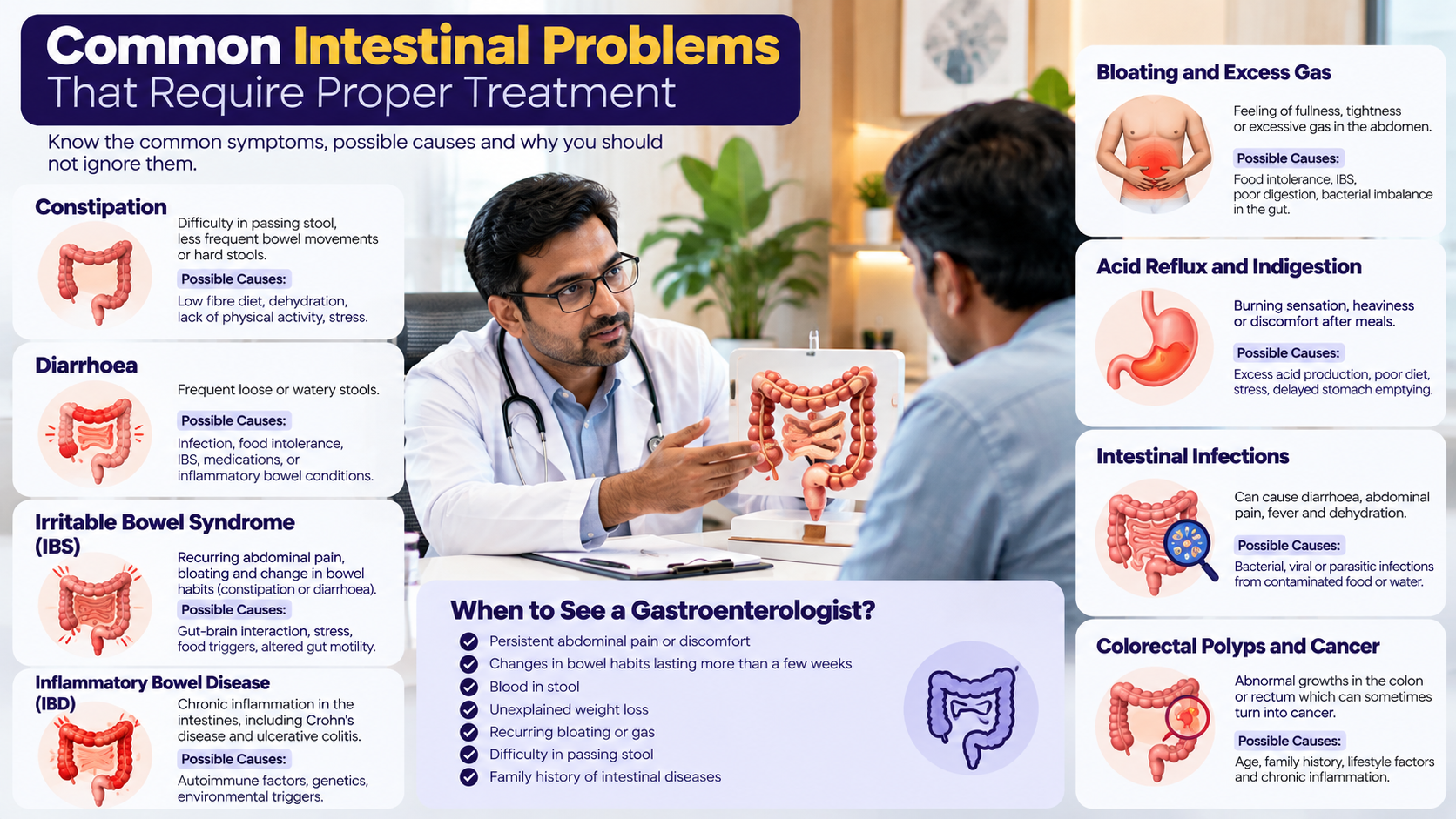
Gastritis is inflammation of the stomach lining. It can cause upper abdominal pain, nausea, bloating, and a feeling of fullness. While mild gastritis may settle with dietary changes, persistent or recurring symptoms should be evaluated to rule out infections like H. pylori or other underlying causes.
2. Gastroesophageal Reflux Disease (GERD)
GERD occurs when stomach acid frequently flows back into the food pipe. Common symptoms include heartburn, chest discomfort, and regurgitation. Occasional reflux is normal, but recurring symptoms, difficulty swallowing, or persistent cough may require professional assessment.
3. Peptic Ulcers
Peptic ulcers are open sores that develop on the lining of the stomach or the first part of the small intestine. They can cause burning abdominal pain, nausea, and bloating. If left untreated, ulcers can bleed or cause serious complications, so medical evaluation is important.
4. Irritable Bowel Syndrome (IBS)
IBS is a common functional digestive disorder that causes abdominal discomfort, bloating, gas, and changes in bowel habits—such as alternating constipation and diarrhea. While IBS does not cause permanent damage, it can significantly affect daily life and needs a proper management plan.
5. Chronic Constipation
Chronic constipation involves persistent difficulty passing stools, hard stools, straining, and a feeling of incomplete emptying. It can result from dietary habits, medications, or underlying bowel conditions. Long-term constipation should not be ignored or self-treated indefinitely.
6. Chronic or Recurrent Diarrhea
Diarrhea that lasts for weeks or keeps coming back can have multiple causes, including infections, food intolerances, IBS, or inflammatory conditions. Persistent diarrhea can lead to dehydration and nutrient loss, so it requires medical investigation.
7. Inflammatory Bowel Disease (IBD)
IBD includes Crohn’s disease and ulcerative colitis. These conditions cause ongoing inflammation in the digestive tract, leading to symptoms like diarrhea, abdominal pain, fatigue, and weight loss. IBD requires long-term specialist care and regular monitoring.
8. Gastrointestinal Infections
Infections of the stomach and intestines can cause diarrhea, abdominal cramps, nausea, vomiting, and fever. While many settle on their own, severe or prolonged infections may need medical treatment to prevent complications.
Symptoms That Should Not Be Ignored
While many digestive issues are mild, some warning signs should never be ignored. Consult a doctor if you experience:
- Blood in the stool
- Black or tarry stools
- Persistent or severe abdominal pain
- Unexplained weight loss
- Persistent vomiting
- Prolonged diarrhea
- Severe or persistent constipation
- Difficulty swallowing
- Persistent abdominal swelling or bloating
- Unexplained anemia
- Significant changes in bowel habits
These symptoms do not automatically mean a serious disease, but they require timely medical evaluation. Severe abdominal pain, vomiting blood, black stools, or fainting/weakness may require urgent medical attention.
Why Proper Treatment Is Important
Gastrointestinal symptoms can have very different underlying causes, so treatment must be based on an accurate diagnosis. Broad treatment approaches include dietary and lifestyle changes, hydration, doctor-prescribed medicines, treatment of infections, management of chronic conditions, and endoscopic or surgical procedures when clinically indicated. Prolonged self-medication can mask symptoms and delay appropriate diagnosis, so always follow professional medical advice.
When Should You See a Gastroenterologist in Cuttack?
Consider consulting a gastroenterologist if your symptoms persist for several weeks, keep returning, interfere with daily activities, or do not improve with basic measures. Warning signs such as blood in stool, unexplained weight loss, or difficulty swallowing also need specialist evaluation. If you have been searching for the best gastroenterologist near me, choosing a qualified specialist who takes a detailed history and recommends appropriate tests is the right first step. A gastroenterologist can assess your symptoms, guide investigations, and determine a suitable treatment plan.
Frequently Asked Questions About Intestinal Problems
1. What are the most common gastrointestinal problems?
Ans:- Common gastrointestinal problems include gastritis, GERD, peptic ulcers, irritable bowel syndrome (IBS), chronic constipation, chronic diarrhea, inflammatory bowel disease (IBD), and gastrointestinal infections. Symptoms may include abdominal pain, bloating, heartburn, and changes in bowel habits.
2. When should I see a gastroenterologist?
Ans:- You should see a gastroenterologist if symptoms persist for several weeks, keep returning, interfere with daily life, or are accompanied by warning signs like blood in stool, unexplained weight loss, or difficulty swallowing. A specialist can assess your condition and recommend appropriate tests.
3. What tests are used to diagnose gastrointestinal problems?
Ans:- Diagnosis may involve blood tests, stool tests, ultrasound, endoscopy, colonoscopy, or CT scans, depending on your symptoms. Not everyone needs all tests. Your doctor will choose the most appropriate investigations based on your medical history and clinical examination.
4. Can gastrointestinal problems be treated?
Ans:- Yes, most gastrointestinal problems can be treated effectively with dietary changes, lifestyle modifications, medications, or procedures. Treatment depends on the specific condition and its cause. Early diagnosis and proper medical care are key to managing symptoms and preventing complications.
5. Is it safe to self-medicate for digestive problems?
Ans:- No, prolonged self-medication can mask symptoms and delay an accurate diagnosis. Over-the-counter remedies may provide temporary relief but do not address the underlying cause. Always consult a qualified doctor for persistent or recurring digestive symptoms.
6. Are gastrointestinal problems more common with age?
Ans:- Some digestive conditions become more common with age due to changes in bowel function, medication use, and underlying health conditions. However, GI problems can affect people of all ages. New or changing symptoms in older adults should always be evaluated by a doctor.
7. Can stress cause gastrointestinal problems?
Ans:- Stress can worsen symptoms of conditions like IBS, acid reflux, and indigestion. However, stress alone rarely causes serious gastrointestinal disease. If symptoms persist despite stress management, consult a doctor to rule out underlying conditions.
8. Where can I get gastrointestinal treatment in Cuttack?
Ans:- You can consult a gastroenterologist in Cuttack for proper evaluation and treatment. Look for a qualified specialist who takes a detailed history, recommends appropriate tests, and provides evidence-based care. Ask questions and ensure you understand your diagnosis and treatment options.
Conclusion
Gastrointestinal problems can range from common, manageable issues to chronic conditions that need specialist care. Persistent, recurring, or concerning symptoms should never be ignored. If you are experiencing digestive discomfort that is affecting your quality of life, consult a qualified gastroenterologist in Cuttack for proper evaluation and personalised treatment.
About Dr. Harish Chandra Mishra
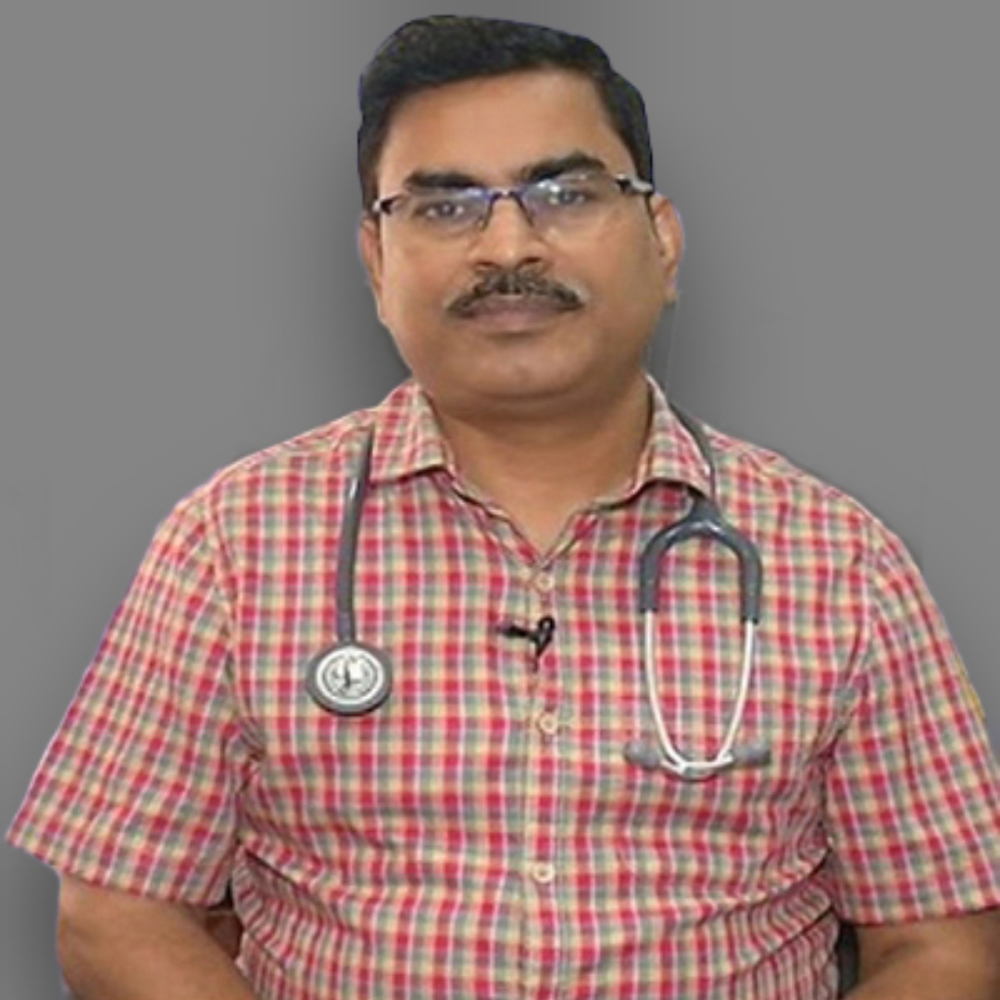
A professional doctor can help patients understand the intenstnial problems and recommend an appropriate treatment and management plan based on their individual condition. Dr. Harish Chandra Mishra approaches each patient with this understanding at the center of his practice.
As a Laparoscopic, Cancer & GI Surgeon, Dr. Mishra focuses on the diagnosis and surgical management of gastrointestinal and liver-related conditions, including complex cases associated with advanced fatty liver disease and its complications. His approach emphasizes accurate evaluation, personalized treatment planning, lifestyle and medical management where appropriate, and surgical intervention when required.
Fatty liver can range from a mild condition with few symptoms to more advanced liver disease involving inflammation, fibrosis, or other complications. Dr. Mishra takes a comprehensive approach to patient care, considering the severity of the condition, associated risk factors, and overall health before recommending the most suitable treatment pathway.
Visit Life Institute of Gastroenterology and Gynecology | Best 24/7 Surgical Hospital
Address :- Potapokhari, Block Chhaka, Naya Bazaar, Kataka, Odisha 753004

