



1. Sudden or Persistent Upper Abdominal Pain
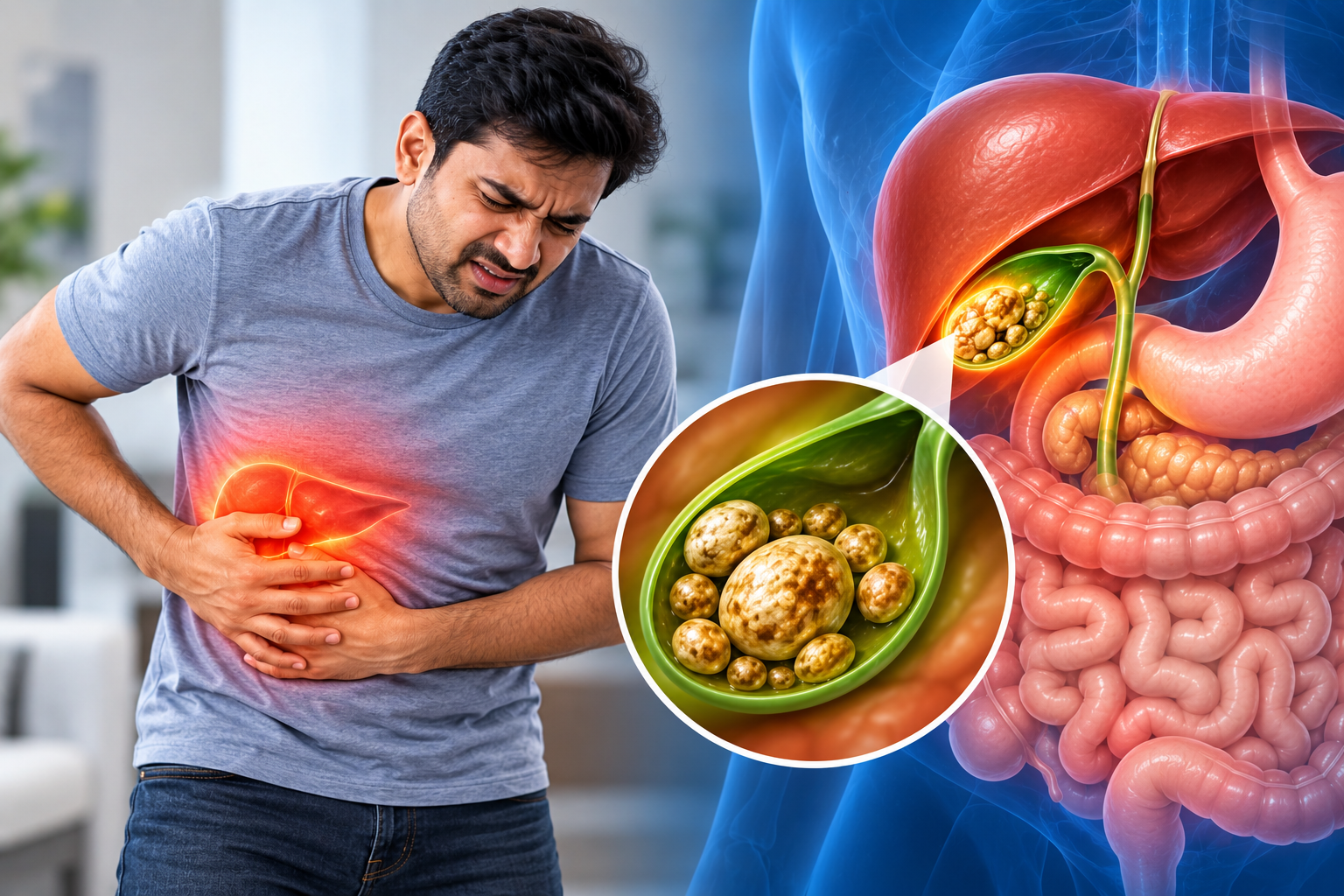
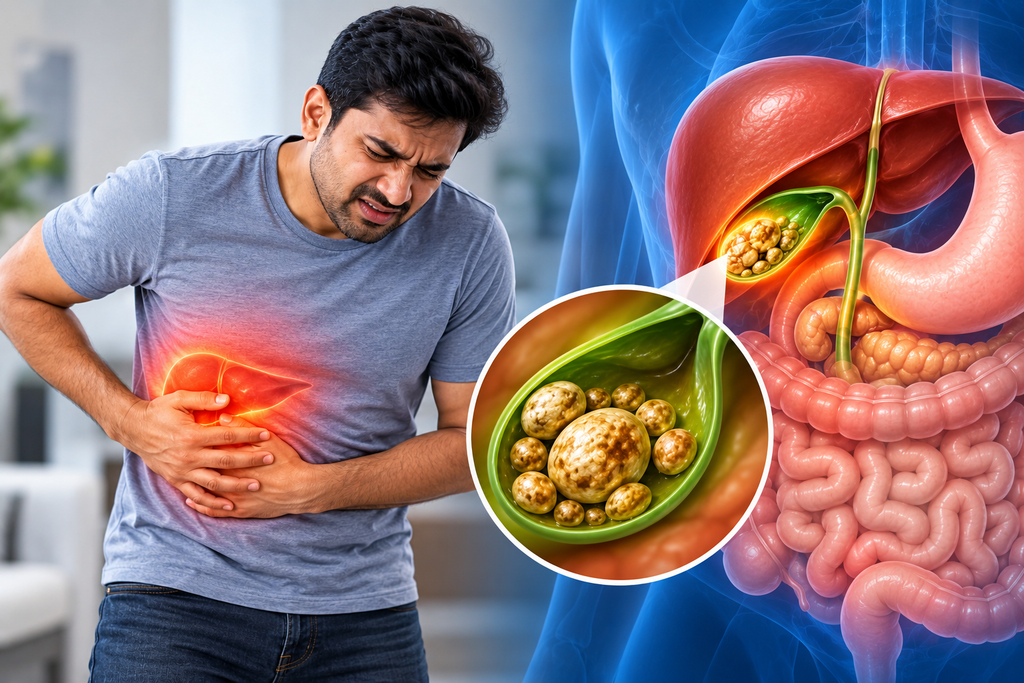
Gallbladder pain typically occurs in the upper abdomen, often after eating. It may start suddenly and become intense within 15 minutes to an hour. The pain may last from 30 minutes to several hours. While this pain can have other causes, persistent upper abdominal pain warrants medical evaluation.
2. Pain in the Right Upper Abdomen
The gallbladder sits on the upper right side of the abdomen. Pain concentrated in this area especially if recurrent is a classic feature of gallbladder disease.
3. Pain After Eating Fatty Foods
The gallbladder contracts to release bile when you eat, particularly fatty foods. If a stone is present, this contraction can trigger pain. If you consistently experience discomfort after fatty meals, evaluation may be helpful.
4. Pain Radiating to the Back or Right Shoulder
Gallbladder pain can radiate to the back, particularly between the shoulder blades, or to the right shoulder. This referred pain occurs because of shared nerve pathways.
5. Nausea and Vomiting
Nausea and vomiting often accompany gallbladder attacks. These symptoms can also occur with many other conditions, so they should be evaluated in context.
6. Bloating and Indigestion
Persistent bloating, belching, and indigestion especially after meals may be associated with gallbladder problems. However, these symptoms are non-specific and can have many causes.
7. Fever or Chills
Fever or chills accompanying abdominal pain may indicate infection or inflammation of the gallbladder (cholecystitis). This requires prompt medical attention.
8. Yellowing of the Skin or Eyes
Jaundice yellowing of the skin and eyes occurs when bile flow is blocked. This may happen if a stone moves into the bile duct. Jaundice always requires medical evaluation.
9. Dark Urine or Pale-Colored Stool
Changes in urine or stool colour can indicate bile duct obstruction. Dark urine and pale, clay-coloured stools are warning signs that should not be ignored.
10. Severe or Recurrent Abdominal Pain
If abdominal pain is severe, recurrent, or interferes with daily activities, seek medical evaluation. Recurrent attacks may indicate that treatment is needed.
What Causes Gallbladder Stones?
Common risk factors include:
- Excess body weight or obesity
- Rapid weight loss
- Certain dietary patterns (high-fat, low-fibre)
- Pregnancy
- Increasing age
- Family history of gallstones
- Certain medical conditions (diabetes, liver disease)
- Hormonal factors (oestrogen)
- Some medications
Having a risk factor does not necessarily mean you will develop gallstones.
What Happens If Gallstones Are Not Properly Treated?
Potential complications include:
- Acute cholecystitis: Inflammation of the gallbladder
- Bile duct obstruction: Blockage of the bile ducts
- Choledocholithiasis: Stones in the bile duct
- Cholangitis: Infection of the bile ducts
- Gallstone pancreatitis: Inflammation of the pancreas
- Recurrent biliary colic: Repeated episodes of pain
Complications do not occur in every person with gallstones, but symptomatic stones carry a risk of progression.
When Should You Seek Urgent Medical Attention?
Seek prompt medical care if you experience:
- Severe or persistent abdominal pain
- Fever or chills with abdominal pain
- Yellowing of the eyes or skin
- Persistent vomiting
- Increasing or worsening symptoms
How Are Gallbladder Stones Diagnosed?
Diagnosis typically involves:
- Medical history and physical examination
- Abdominal ultrasound: The most common and accurate imaging test for gallstones
- Blood tests: Including liver function tests
- CT scan: When more detailed imaging is needed
- MRCP: For suspected bile duct stones
The choice of investigation depends on your symptoms and clinical findings.
Gallbladder Stone Treatment Options
Treatment depends on whether gallstones are asymptomatic, symptomatic, or complicated.
- Observation: Asymptomatic gallstones are generally not treated; a “watch and wait” approach is common.
- Dietary and symptom management: May help in selected cases
- Medication: In selected situations, oral bile acid therapy may be considered
- Laparoscopic cholecystectomy: The standard surgical treatment for symptomatic gallstones
- Open gallbladder surgery: When laparoscopic approach is not suitable
- Bile duct stone treatment: May require ERCP or surgical removal
Gallbladder Stone Treatment in Cuttack: When Is Surgery Considered?
Surgical treatment may be considered in situations such as:
- Recurrent biliary pain
- Symptomatic gallstones
- Acute or chronic gallbladder inflammation
- Complications caused by gallstones
- Certain bile duct problems
- Other clinically appropriate indications
Treatment decisions depend on individual medical assessment. Patients in Cuttack can access laparoscopic gallbladder surgery at several hospitals in the region.
Is Gallbladder Surgery Always Necessary?
No. The distinction matters:
- Asymptomatic gallstones: Often require no immediate treatment
- Symptomatic gallstones: Surgery is commonly recommended
- Complicated gallstones: Surgery is usually necessary
Laparoscopic Gallbladder Surgery
Laparoscopic cholecystectomy is a minimally invasive procedure where the surgeon makes small incisions and uses a camera to remove the gallbladder. It has largely replaced open surgery due to advantages such as less postoperative pain, shorter hospital stay, and faster recovery.
Suitability depends on individual patient factors. Some cases may require conversion to open surgery.
How to Choose a Gallbladder Surgeon in Cuttack
Consider:
- Appropriate surgical qualifications
- Experience with laparoscopic procedures
- Hospital infrastructure and emergency support
- Clear explanation of treatment options
- Discussion of risks, benefits, alternatives, and recovery
Frequently Asked Questions
1. What are the symptoms of gallbladder stones?
Ans :- Common symptoms include upper abdominal pain, pain after fatty meals, nausea, and pain radiating to the back or shoulder.
2. What is the best treatment for gallbladder stones?
Ans :- Treatment depends on whether stones are asymptomatic, symptomatic, or complicated. Laparoscopic cholecystectomy is the standard for symptomatic stones.
3. Does every gallstone require surgery?
Ans :- No. Asymptomatic gallstones often require no immediate treatment.
4. When is gallbladder removal recommended?
Ans :- When stones cause symptoms, complications, or recurrent pain.
5. How are gallstones diagnosed?
Ans :- Usually by abdominal ultrasound, along with blood tests and clinical evaluation.
6. What is laparoscopic gallbladder surgery?
Ans :- A minimally invasive procedure to remove the gallbladder using small incisions and a camera.
7. What is the cost of gallbladder stone treatment in Cuttack?
Ans :- Treatment costs vary depending on the procedure, hospital, investigations, surgeon, and individual case. Consult a specialist for an estimate.
Conclusion
Gallbladder stones are common, and many people have them without symptoms. However, recognising symptoms such as upper abdominal pain, pain after fatty meals, nausea, jaundice, and fever can help you seek timely evaluation. Proper diagnosis and appropriate gallbladder stone treatment in Cuttack can help prevent complications. If you experience persistent, severe, or concerning symptoms, consult a qualified medical professional rather than self-diagnosing.
Your Gallbladder Stone Treatment Needs a professional Treatment
Gallbladder stones are common, but when they cause pain, jaundice, fever, or digestive symptoms, they need professional attention. Ignoring symptoms or relying on home remedies may lead to complications like cholecystitis, bile duct obstruction, or pancreatitis. A qualified doctor can confirm the diagnosis and recommend the right treatment which may include observation, medication, or surgery. Laparoscopic gallbladder removal is often the definitive treatment for symptomatic stones. Don’t delay. Seek a professional evaluation for gallbladder stone treatment in Cuttack. Early diagnosis and appropriate care can help prevent serious complications and guide you toward the right solution.
About Dr. Harish Chandra Mishra
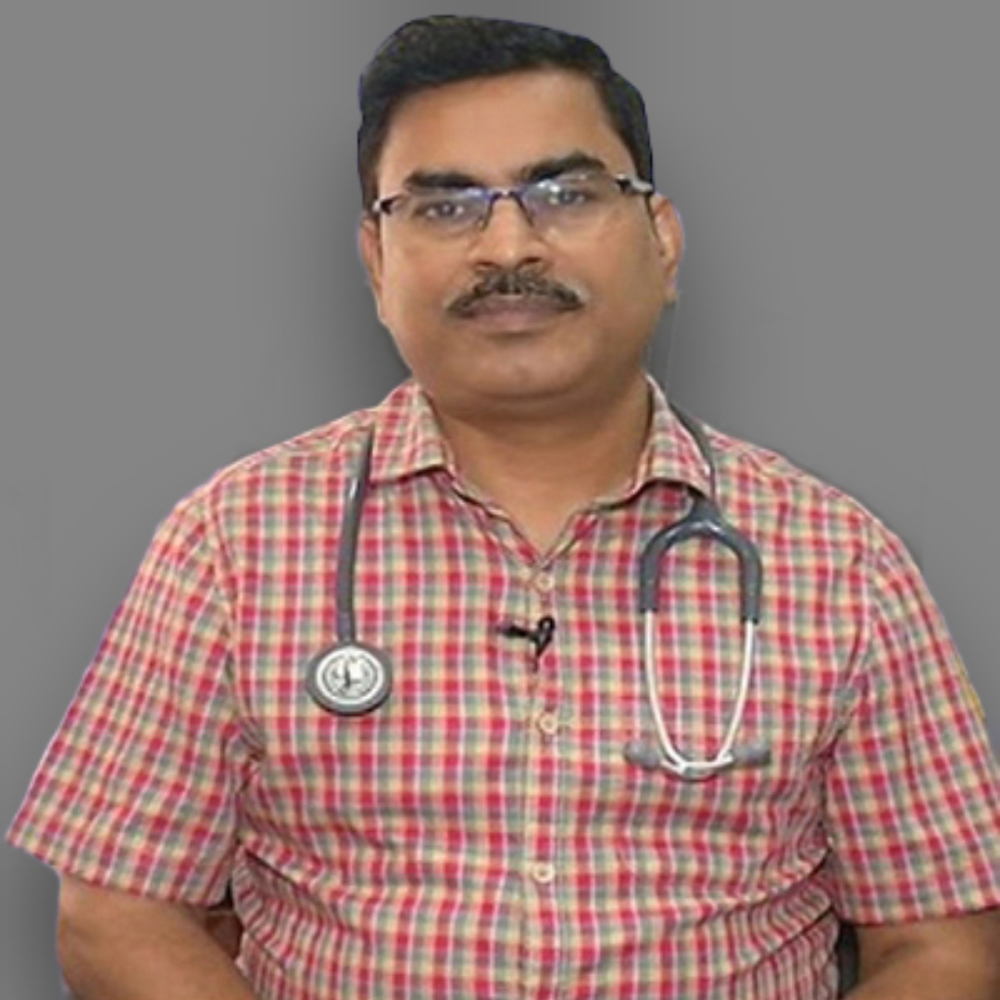
A Professional Doctor can help to get a professional stomach cancer treatment and suggest solutions. Dr. Harish Chandra Mishra approaches each patient with that understanding at the center of his practice.
As a Laparoscopic, Cancer & GI Surgeon Dr. Mishra focuses on the surgical management of gastrointestinal and cancer-related conditions, including complex cases involving the esophagus, stomach, and digestive tract. His approach combines minimally invasive laparoscopic techniques with a broader focus on individualized cancer care recognizing that no two patients, and no two tumors, are exactly alike.
Book an Appointment
If you are experiencing persistent digestive symptoms, unexplained weight loss, gastrointestinal bleeding, or other concerning symptoms, seeking appropriate specialist evaluation is a responsible step. Consult a surgical gastroenterologist in Cuttack for a thorough assessment and personalized guidance. Early evaluation can help identify the cause of your symptoms and ensure you receive the care you need.
Visit Life Institute of Gastroenterology and Gynecology | Best 24/7 Surgical Hospital
Address :- Potapokhari, Block Chhaka, Naya Bazaar, Kataka, Odisha 753004

