


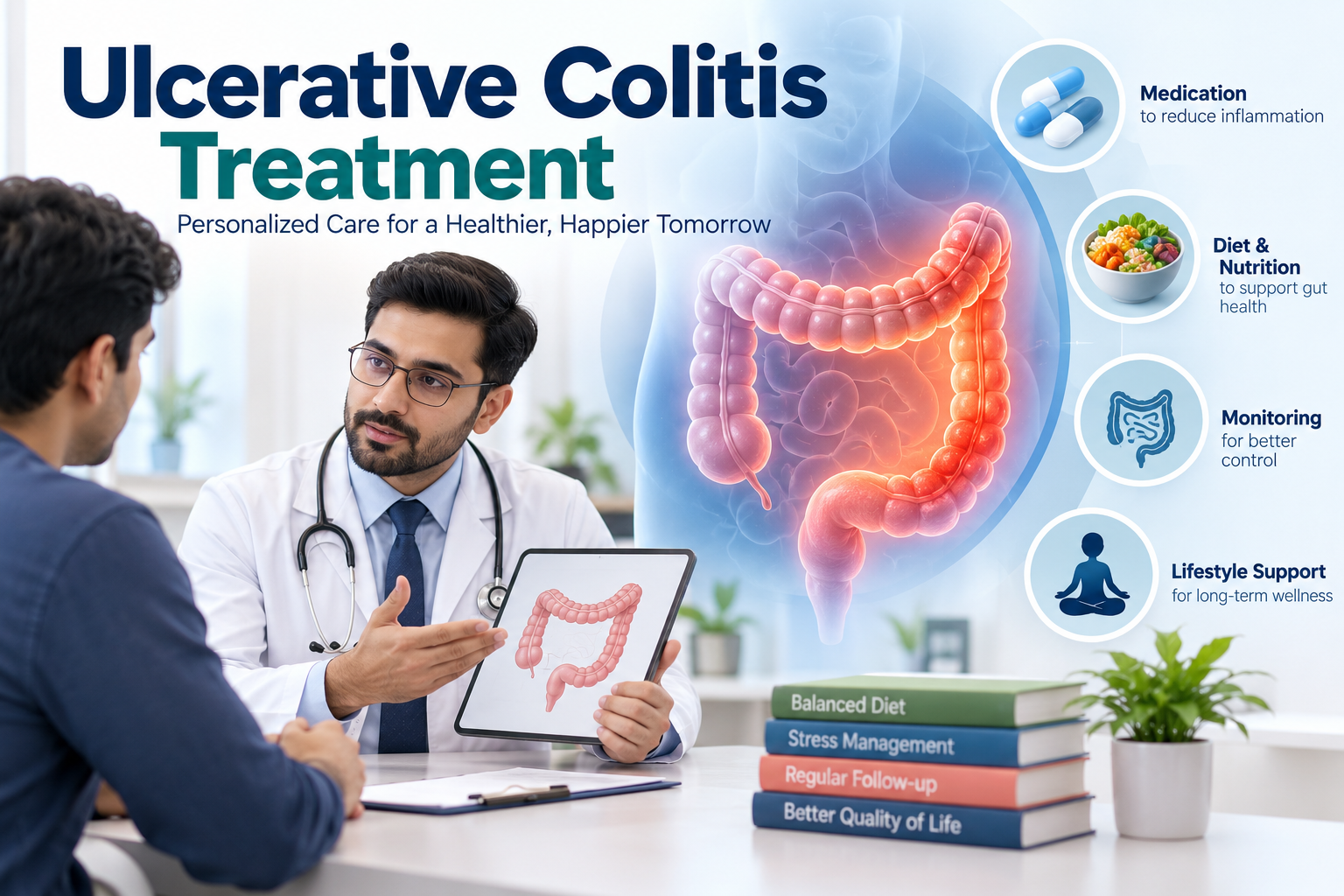

Ulcerative colitis affects the colon (large intestine) and rectum. The immune system, which normally protects the body from infection, mistakenly attacks the bowel lining. This causes inflammation, tiny open sores (ulcers) and bleeding.
UC is different from a stomach infection. An infection settles within days to weeks. it is chronic, meaning it stays for life, with periods of activity (flare-ups) and periods of calm (remission). Because of this long-term pattern, ulcerative colitis treatment in Cuttack is focused on controlling inflammation, keeping you in remission and preventing complications, rather than offering a one-time fix.
Types of Ulcerative Colitis by Extent
- Ulcerative proctitis: inflammation limited to the rectum
- Left-sided colitis: involves the rectum and the left side of the colon
- Extensive colitis (pancolitis): involves most or all of the colon
The extent of disease influences which medicines are used and how closely you need monitoring.
Ulcerative Colitis Symptoms: What to Look For
Symptoms vary with severity and how much of the colon is inflamed. Common ones include:
- Diarrhea, often with blood or mucus in the stool
- Urgent need to pass stool, sometimes with little warning
- Feeling that the bowel has not fully emptied (called tenesmus)
- Cramping abdominal pain, usually on the left side
- Waking at night to pass stool
- Fatigue and low energy
- Unintended weight loss
- Fever during severe flares
Symptoms Outside the Gut
UC can also affect other parts of the body. These are called extraintestinal features:
- Joint pain or swelling
- Red, painful eyes or eye inflammation
- Painful skin lumps or ulcers
- Mouth ulcers
- Anemia (low hemoglobin) from ongoing blood loss
- Rarely, liver and bile duct problems such as primary sclerosing cholangitis
What Causes Ulcerative Colitis?
The exact cause is not fully known. Research suggests several factors act together:
- Immune system overactivity: the immune response against gut bacteria or other triggers does not switch off properly.
- Genetics: having a close relative with IBD raises the risk, though most people with UC have no family history.
- Gut microbiome: changes in the balance of intestinal bacteria appear to play a role.
- Environmental factors: these may include urbanization, diet changes, certain infections and antibiotic exposure.
Common myths: UC is not caused by stress, spicy food or something you did wrong. Stress and poor sleep may aggravate symptoms in some people, but they do not cause the disease.
What Triggers an Ulcerative Colitis Flare-Up?
An ulcerative colitis flare-up is a period when symptoms return or worsen. Common triggers include:
- Stopping or skipping prescribed medicines without medical advice
- Gut infections, including amoebic or bacterial infections
- Use of painkillers such as ibuprofen, diclofenac or aspirin-type drugs (NSAIDs)
- Some antibiotics
- Emotional stress or poor sleep
- Smoking cessation in some individuals (a known, unexplained association, not a reason to smoke)
Sometimes no trigger can be found. A flare does not mean you did something wrong.
How Is Ulcerative Colitis Diagnosed?
Bloody diarrhea has many causes, so diagnosis needs careful testing. In India, infections and intestinal tuberculosis can look similar to UC, and treating them wrongly can cause harm.
Step 1: History and Examination
Your doctor asks about how long symptoms have lasted, stool frequency, blood, weight loss, family history, recent antibiotics or painkillers, and travel or food exposure.
Step 2: Blood and Stool Tests
- Complete blood count (hemoglobin, white cells)
- CRP (an inflammation marker), albumin, and iron studies
- Stool tests to exclude infections, including C. difficile and amoebiasis
- Fecal calprotectin, which shows whether the bowel lining is inflamed
Step 3: Colonoscopy with Biopsy
This is the key test for ulcerative colitis diagnosis. A flexible camera examines the colon, and small tissue samples (biopsies) are taken. It shows the extent and severity of disease and helps separate UC from Crohn’s disease, intestinal TB and other conditions.
Step 4: Additional Tests When Needed
Imaging such as ultrasound, CT or MR enterography may be advised if Crohn’s disease is suspected or complications are feared.
Ulcerative Colitis vs Other Conditions
| Condition | How it differs |
|---|---|
| Irritable bowel syndrome (IBS) | No visible bowel inflammation or bleeding |
| Infectious colitis or amoebiasis | Usually shorter illness; found on stool tests |
| Crohn’s disease | Can affect any part of the gut, in patches, and deeper layers |
| Intestinal tuberculosis | Needs specific testing; treated with anti-TB drugs |
| Hemorrhoids | Bright blood on wiping, without ongoing diarrhea and inflammation |
| Colorectal cancer | Needs exclusion, especially with age above 40 or weight loss |
Never assume blood in stool is “just piles.” Get it evaluated properly.
Ulcerative Colitis Treatment Options
The goals of ulcerative colitis treatment are to control inflammation, achieve steroid-free remission, heal the bowel lining, prevent complications and support normal daily life. Treatment is chosen based on disease extent, severity, previous response and your personal factors.
1. Aminosalicylates (5-ASA, Mesalamine)
Often the first-line therapy for mild to moderate UC. They come as tablets, suppositories or enemas, and are used for both treating flares and maintaining remission. Rectal forms are particularly effective for disease in the rectum and lower colon.
2. Corticosteroids
Used for short periods to settle moderate to severe flares quickly. They are not meant for long-term use because of side effects such as weight gain, high sugar, bone thinning and mood changes.
3. Immunomodulators
Medicines such as azathioprine help maintain remission and reduce steroid dependence. They need regular blood test monitoring.
4. Biologic Therapy
Biologics are targeted medicines given by infusion or injection that block specific inflammatory pathways. Options include anti-TNF drugs (infliximab, adalimumab, golimumab), vedolizumab and ustekinumab, among others. They are considered for moderate to severe UC or when other treatments fail.
5. Small-Molecule Therapies
Newer oral medicines, such as JAK inhibitors (tofacitinib, upadacitinib) and S1P receptor modulators (ozanimod, etrasimod), are options for selected patients. Your specialist weighs benefits against risks.
Important before advanced therapy: doctors usually screen for tuberculosis and hepatitis B, and review vaccinations, because some of these medicines can reactivate hidden infections. This matters particularly in India.
6. Hospital Treatment for Acute Severe UC
Severe flares (for example, six or more bloody stools a day with fast heart rate, fever, low hemoglobin or raised inflammatory markers) need hospital admission, intravenous steroids, and sometimes rescue therapy with infliximab or cyclosporine.
7. Surgery for Ulcerative Colitis
Surgery is not a failure of treatment. Because UC affects only the colon and rectum, removing them can effectively remove the disease. A surgical gastroenterologist or colorectal surgeon may be involved when there is:
- Severe flare not responding to medical therapy
- Life-threatening complications such as perforation, toxic megacolon or massive bleeding
- Precancerous changes (dysplasia) or colorectal cancer
- Long-standing disease that stays uncontrolled despite optimal medicines
- Serious medication side effects or growth problems in young patients
Common operations include total proctocolectomy with an ileal pouch (J-pouch) or with an ileostomy. Timing and choice of surgery are planned together by the gastroenterologist, surgeon and patient.
Diet and Lifestyle in Ulcerative Colitis
No single diet cures UC, but practical habits help:
- Eat regular, balanced meals; keep a food-and-symptom diary to spot personal triggers
- During flares, smaller, more frequent meals and lower-fiber foods may be better tolerated
- Stay hydrated, especially with diarrhea
- Avoid unnecessary NSAID painkillers, and ask your doctor before any new medicine or herbal product
- Do not stop prescribed medicines because you feel well
- Avoid extreme or restrictive diets without guidance, since malnutrition is a real risk
- Prioritize sleep, physical activity and stress management
Your doctor or a dietitian can personalize advice, especially if you are anemic or losing weight.
When Should You See a Specialist for Ulcerative Colitis?
See a gastroenterologist soon if you have:
- Diarrhea lasting more than 2 weeks
- Blood or mucus in stool that keeps recurring
- Repeated abdominal cramps with urgency
- Unexplained weight loss, fatigue or anemia
- Night-time bowel movements
- Family history of IBD or colorectal cancer with new bowel symptoms
- A diagnosis of UC but frequent flares, or steroids needed more than once
- Symptoms that persist despite treatment from a general physician
Seek emergency care immediately if you have:
- Heavy rectal bleeding or passing many bloody stools daily
- Severe abdominal pain or a swollen, rigid abdomen
- High fever with fast heartbeat
- Dizziness, fainting or signs of dehydration
- Inability to keep fluids down
These may indicate acute severe colitis or a complication and should not wait for an outpatient appointment.
Which Doctor Treats Ulcerative Colitis?
Several types of doctors may be involved:
- Gastroenterologist / GI specialist: diagnoses UC, performs colonoscopy and manages long-term medical treatment
- IBD specialist (inflammatory bowel disease specialist): a gastroenterologist with focused expertise in UC and Crohn’s disease, especially for complex or advanced therapy decisions
- Surgical gastroenterologist / colorectal surgeon: consulted when surgery is needed
- Dietitian, and sometimes psychologist: support nutrition and coping
- Rheumatologist, ophthalmologist or dermatologist: for extraintestinal problems
If you are searching for an ulcerative colitis specialist in Cuttack, look for a doctor who offers colonoscopy with biopsy, experience with biologic therapy, and access to emergency and surgical backup.
How to Choose an Ulcerative Colitis Doctor in Cuttack
When comparing options for ulcerative colitis treatment, consider:
- Qualifications in gastroenterology (DM/DNB Gastroenterology) or surgical gastroenterology
- Experience managing IBD, including advanced therapies and severe flares
- Availability of endoscopy and pathology services
- Whether a team including a surgeon, dietitian and infusion facility is accessible
- Clear communication: a good doctor explains your diagnosis, options and follow-up plan
- Ease of follow-up, since UC needs lifelong monitoring
Questions worth asking at your first visit:
- How extensive is my UC and how severe is it?
- Have infections and TB been ruled out?
- What is our treatment goal, and how will we measure success?
- What should I do if symptoms flare?
- When will I need my next colonoscopy?
Long-Term Care and Complications
With good control, most people with UC lead full, active lives. Regular follow-up matters because uncontrolled inflammation can lead to:
- Severe bleeding or anemia
- Toxic megacolon (dangerous colon dilation)
- Perforation of the bowel
- Malnutrition and bone weakness
- Colorectal cancer risk, which is higher with long-standing, extensive disease
Surveillance colonoscopy usually begins about 8 years after symptom onset for those with extensive or left-sided disease, and repeats at intervals set by your doctor. Follow-up also includes blood tests, vaccinations and bone health checks where appropriate.
Women with UC can generally have healthy pregnancies, and it is best to conceive when the disease is in remission. Do not stop medicines during pregnancy without medical advice.
Frequently Asked Questions
1. Is ulcerative colitis curable?
Medicines cannot cure UC, but they can control it for long periods. Surgical removal of the colon and rectum can remove the disease from the bowel, though it is reserved for specific situations.
2. Is ulcerative colitis contagious?
No. It cannot spread from person to person.
3. Can ulcerative colitis go away on its own?
Symptoms may settle temporarily, but the underlying condition remains. Stopping treatment without advice often leads to relapse.
4. ulcerative colitis the same as IBS?
No. IBS is a functional bowel disorder without visible inflammation, while UC causes ulcers and bleeding.
5. Can ulcerative colitis be treated without surgery?
Yes, most people are managed with medicines and never need surgery.
6. How long does treatment last?
Usually lifelong maintenance, though the medicine type and dose may change over time.
7. Does ulcerative colitis increase cancer risk?
Long-standing disease increases colorectal cancer risk, which is why regular surveillance colonoscopy is important.
8. Do I need a specialist, or can my family doctor treat me?
A family physician can start initial care, but confirmed or suspected UC should be evaluated by a gastroenterologist for accurate diagnosis and long-term planning.
Conclusion
Ulcerative colitis is a lifelong condition, but it is one that can be controlled. With an accurate diagnosis, the right medicines and regular follow-up, most people reach remission and return to work, family life and the activities they enjoy.
The most important step is not to wait. Diarrhea with blood or mucus lasting more than two weeks, repeated flare-ups, or unexplained weight loss and fatigue are signs that need a specialist’s attention, not home remedies or repeated courses of antibiotics. Early evaluation helps confirm the diagnosis, rule out look-alike conditions such as infections and intestinal tuberculosis, and protect the bowel from lasting damage.
If you are considering ulcerative colitis treatment in Cuttack, choose a gastroenterologist or IBD specialist who offers colonoscopy with biopsy, experience with modern therapies, and access to emergency and surgical support when needed. Stay in touch with your doctor, take your medicines as prescribed even when you feel well, and keep up with surveillance colonoscopy.
Blood in Your Stool for Weeks? Don’t Wait for It to Get Worse
Have you been living with recurring diarrhea, urgent trips to the toilet, stomach cramps or blood in your stool, and telling yourself it will pass? Many people delay care for months, hoping it is just piles or a stomach bug. But ongoing bowel symptoms can signal ulcerative colitis, and delay can lead to anemia, severe flares and complications. Timely ulcerative colitis treatment in Cuttack can control inflammation, relieve symptoms and protect your long-term health. Take the first step today and consult a gastroenterologist.
About Dr. Harish Chandra Mishra
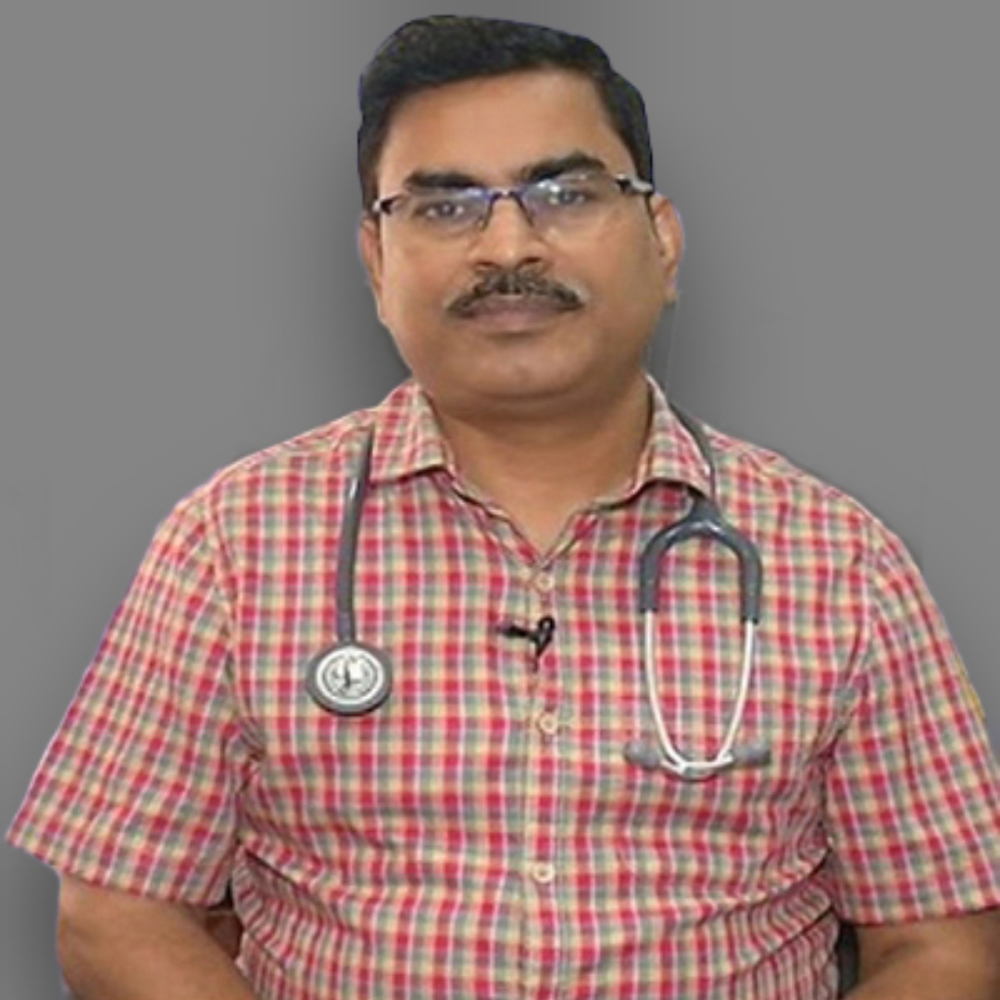
A professional doctor can help patients understand the underlying causes of fatty liver and recommend an appropriate treatment and management plan based on their individual condition. Dr. Harish Chandra Mishra approaches each patient with this understanding at the center of his practice.
As a Laparoscopic, Cancer & GI Surgeon, Dr. Mishra focuses on the diagnosis and surgical management of gastrointestinal and liver-related conditions, including complex cases associated with advanced fatty liver disease , Ulcerative Colitis Treatment and its complications. His approach emphasizes accurate evaluation, personalized treatment planning, lifestyle and medical management where appropriate, and surgical intervention when required.
Visit Life Institute of Gastroenterology and Gynecology | Best 24/7 Surgical Hospital
Address :- Potapokhari, Block Chhaka, Naya Bazaar, Kataka, Odisha 753004
