


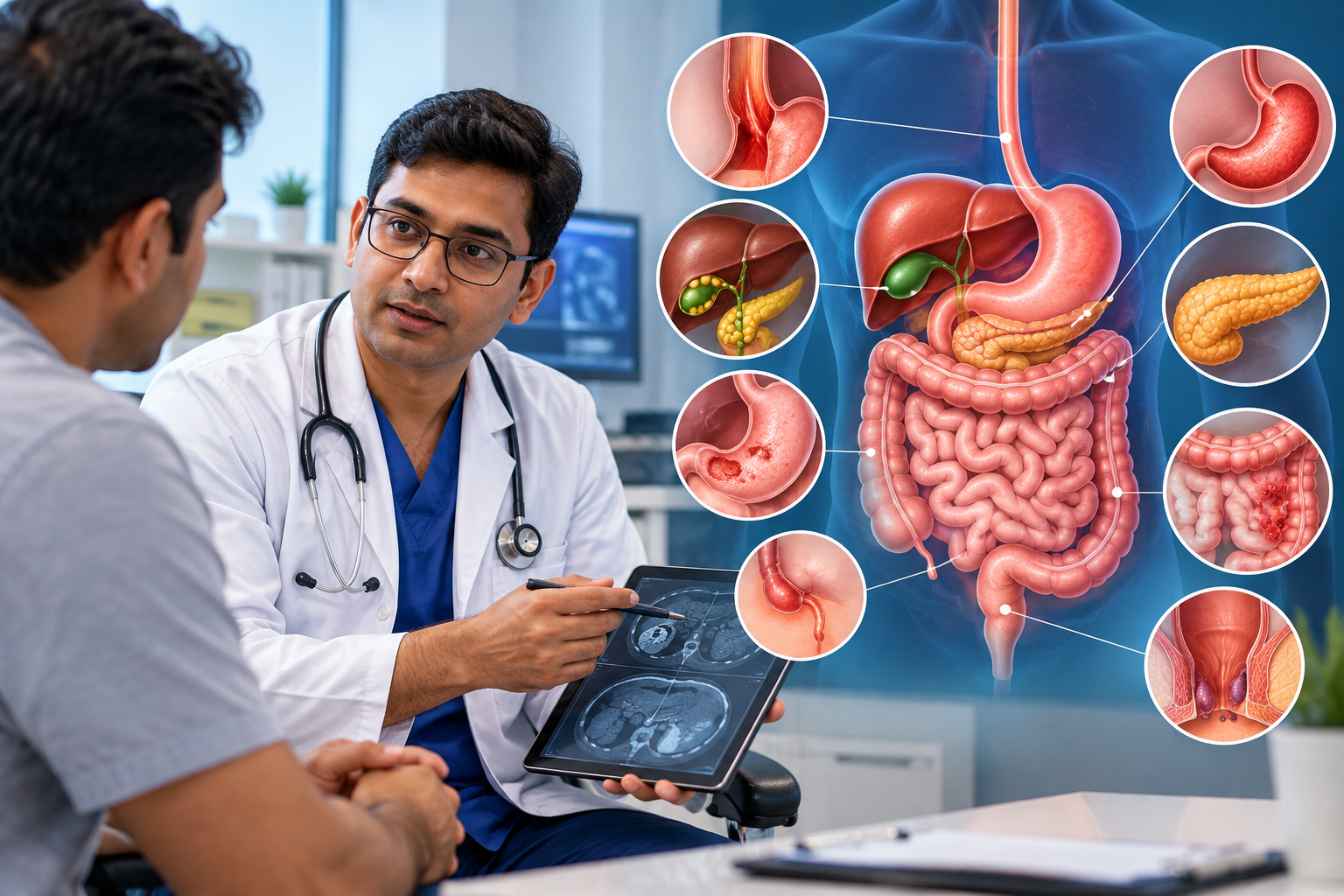

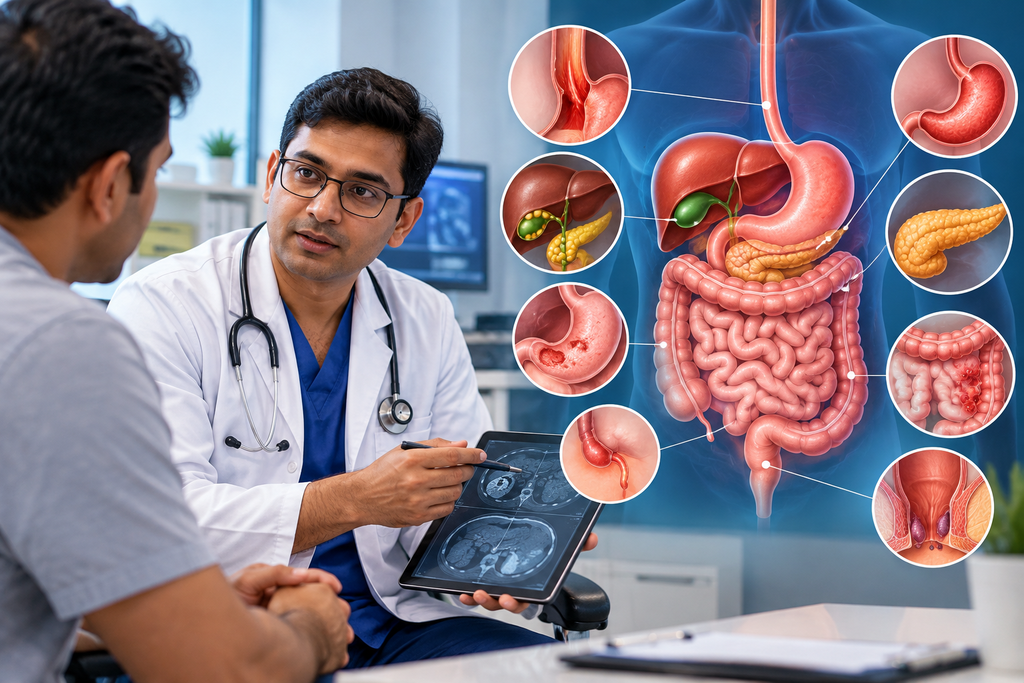
Digestive problems are among the most common health concerns people face. From persistent acidity and abdominal pain to gallstones and hernias, these issues can significantly affect daily life. Many digestive conditions improve with medications and lifestyle changes. But when a structural problem requires surgical correction, you need a different kind of specialist.
A surgical gastroenterologist is a surgeon who has completed extensive training in general surgery followed by specialised training in gastrointestinal surgery. They focus on surgical diseases of the digestive system — including the esophagus, stomach, intestines, liver, gallbladder, bile ducts, pancreas, rectum, and anus.
This is different from a medical gastroenterologist, who primarily diagnoses and treats digestive diseases using medications and endoscopic procedures. A surgical gastroenterologist steps in when a condition requires an operation to fix a structural problem.
Patients in Cuttack may be referred to a surgical gastroenterologist in Cuttack when their condition has been identified as potentially requiring surgical treatment, or when symptoms persist despite appropriate medical management.
What Does a Surgical Gastroenterologist Do?
A GI surgeon’s role extends far beyond the operating room. Their responsibilities include:
Evaluation of gastrointestinal conditions: Using clinical examination, imaging, and endoscopic findings to understand the nature and extent of the problem.
Surgical treatment planning: Determining whether surgery is appropriate, and if so, what type of procedure would be safest and most effective.
Minimally invasive surgery: Performing laparoscopic (keyhole) procedures where suitable.
Open surgery when required: Some conditions require traditional open abdominal surgery for safety and effectiveness.
Preoperative assessment: Ensuring the patient is medically fit for surgery.
Postoperative care and follow-up: Monitoring recovery, managing pain, and providing dietary guidance.
What Conditions Does a GI Surgeon Treat?
A surgical gastroenterologist treats a wide range of conditions affecting the digestive system. Treatment depends on the diagnosis, severity, symptoms, investigation results, and individual patient factors. Not every patient with these conditions requires surgery.
Gallstones and Gallbladder Disease
Gallstones are common and often cause no symptoms. Surgery is typically considered for symptomatic gallstones, recurrent biliary colic, or complications such as cholecystitis or pancreatitis. Asymptomatic gallstones usually do not require immediate surgical intervention.
Cholecystitis
Inflammation of the gallbladder, often caused by gallstones, may require gallbladder removal (cholecystectomy) if severe or recurrent.
Hernias
Hernias occur when an internal organ pushes through a weakness in the abdominal wall. Surgical repair may be recommended, especially if the hernia is painful, enlarging, or at risk of complications such as strangulation.
Appendicitis
Inflammation of the appendix typically requires emergency surgical removal (appendectomy) to prevent rupture and infection.
Gastroesophageal Reflux Disease (GERD) Requiring Surgery
When lifestyle changes and medications do not control severe GERD, procedures such as fundoplication may be considered to strengthen the valve between the esophagus and stomach.
Achalasia and Other Esophageal Disorders
Achalasia is a condition where the esophagus fails to move food into the stomach. Surgical options include Heller myotomy, which involves cutting the muscle at the lower esophageal sphincter.
Complicated Peptic Ulcers
Most peptic ulcers heal with medication. However, complications such as perforation or bleeding that cannot be controlled endoscopically may require surgical repair.
Stomach Tumors and Cancers
Surgical removal of stomach tumors, including gastric cancer, is a primary treatment approach. The extent of surgery depends on the stage and location of the tumor.
Small Intestine Disorders Requiring Surgery
Conditions such as small bowel obstruction, Crohn’s disease complications, and tumors may require surgical intervention.
Colorectal Conditions Requiring Surgery
This includes conditions such as diverticulitis, inflammatory bowel disease (IBD) that does not respond to medication, and rectal prolapse.
Colorectal and Gastrointestinal Cancers
Surgery plays a central role in treating colorectal cancer and other GI cancers. In early stages, surgery alone may be curative.
Pancreatic Diseases and Tumors
Pancreatic surgery, including the Whipple procedure (pancreaticoduodenectomy), is performed for tumors in the head of the pancreas and certain other pancreatic conditions.
Liver and Hepatobiliary Conditions Requiring Surgery
Liver resection may be indicated for primary liver tumors, metastatic liver tumors, and certain benign conditions.
Bile Duct Disorders
Bile duct surgery may be needed for stones, strictures, injuries, or tumors affecting the bile ducts.
Splenic Conditions Requiring Surgery
Splenectomy (spleen removal) may be indicated for trauma, certain blood disorders, or other conditions affecting the spleen.
Intestinal Obstruction
Bowel obstruction is a surgical emergency. While some partial obstructions resolve with non-operative management, most complete obstructions require surgery.
Gastrointestinal Perforation
A perforation (hole) in the gastrointestinal tract is a life-threatening emergency requiring prompt surgical repair.
Gastrointestinal Bleeding Requiring Surgical Intervention
While most GI bleeding is managed endoscopically, persistent or recurrent bleeding may require surgical intervention.
Other Abdominal Emergencies
This includes conditions such as acute mesenteric ischemia, abdominal trauma, and intra-abdominal abscesses.
Common Symptoms That May Require Evaluation by a GI Surgeon
- Persistent abdominal pain
- Difficulty swallowing
- Recurrent vomiting
- Persistent bloating
- Blood in stool or black stools
- Unexplained weight loss
- Jaundice (yellowing of eyes or skin)
- Recurrent gallstone attacks
- Changes in bowel habits
- Persistent digestive problems
These symptoms can have many possible causes and do not automatically mean surgery is required. However, they warrant medical evaluation to identify the underlying problem.
When Should You Consult a Surgical Gastroenterologist?
You may be referred to a GI surgeon when:
- A condition has been identified that may require surgical treatment
- Symptoms persist despite appropriate medical treatment
- Imaging or endoscopy reveals a surgically treatable problem
- A gastrointestinal tumor or cancer requires surgical evaluation
- An abdominal emergency is suspected
What Tests May Be Recommended Before GI Surgery?
The tests required depend on your specific condition. Commonly used investigations include:
- Ultrasound: Often the first imaging test for gallbladder and liver conditions
- CT scan: Provides detailed images of abdominal organs
- MRI/MRCP: Used for bile duct and pancreatic evaluation when appropriate
- Upper GI endoscopy: Allows direct visualisation of the esophagus, stomach, and duodenum
- Colonoscopy: Examines the colon and rectum
- Blood tests: Including complete blood count, liver function tests, and coagulation profile
- Biopsy: Tissue sampling when indicated
Not every patient requires all of these tests. Your surgeon will determine what is appropriate based on your condition.
Surgical and Minimally Invasive Treatment Options
GI surgery can be performed using different approaches:
- Laparoscopic surgery: Minimally invasive technique using small incisions and a camera. Associated with less pain, shorter hospital stay, and faster recovery in suitable cases.
- Open abdominal surgery: Traditional approach using a larger incision. May be necessary for complex cases or emergencies.
- Gallbladder removal (cholecystectomy): Often performed laparoscopically
- Hernia repair: Can be done open or laparoscopically
- Appendectomy: Removal of the appendix
- Bowel surgery: Resection of diseased bowel segments
- Gastrointestinal cancer surgery: Removal of tumors and surrounding tissue
- Liver surgery: Resection of liver tumors or diseased tissue
- Pancreatic surgery: Including the Whipple procedure
- Biliary surgery: Procedures on the bile ducts
The choice of approach depends on the specific condition, the patient’s anatomy, and the surgeon’s assessment. Minimally invasive surgery is a method, not a promise — the safest approach for each patient is what matters most.
Why Consult a Surgical Gastroenterologist in Cuttack?
Consulting an appropriately qualified specialist in Cuttack offers several practical advantages:
- Easy access to specialist care: Local availability reduces travel burden for patients and families.
- Appropriate diagnostic evaluation: Access to necessary imaging and endoscopic facilities.
- Surgical treatment planning: Expertise in determining the right procedure at the right time.
- Access to hospital facilities: Availability of operation theatre and postoperative care infrastructure.
- Postoperative follow-up: Continuity of care during recovery.
- Continuity of care: A single specialist who knows your history can coordinate your treatment effectively.
Frequently Asked Questions
What is a surgical gastroenterologist?
Ans :- A surgical gastroenterologist is a surgeon who specializes in the surgical treatment of diseases affecting the digestive system, including the esophagus, stomach, intestines, liver, gallbladder, pancreas, and related organs.
What does a GI surgeon treat?
Ans :- A GI surgeon treats conditions such as gallstones, hernias, appendicitis, GERD requiring surgery, gastrointestinal cancers, pancreatic diseases, liver tumors, and abdominal emergencies.
When should I see a surgical gastroenterologist?
Ans :- You may be referred to a GI surgeon when you have a condition that may require surgical treatment, or when symptoms persist despite appropriate medical management.
What is the difference between a gastroenterologist and a GI surgeon?
Ans :- A gastroenterologist is a physician who diagnoses and treats digestive diseases using medications and endoscopy. A surgical gastroenterologist is a surgeon trained to perform operations on the digestive system.
Does every patient with gallstones need surgery?
Ans :- No. Asymptomatic gallstones often do not require surgery. Surgery is typically considered for symptomatic gallstones or complications.
Is laparoscopic GI surgery available in Cuttack?
Ans :- Yes, laparoscopic GI surgery is available in Cuttack at several hospitals and surgical centres.
What tests are required before gastrointestinal surgery?
Ans :- The required tests depend on your condition and may include blood tests, ultrasound, CT scan, MRI/MRCP, endoscopy, or colonoscopy.
How can I find a qualified GI surgeon in Cuttack?
Ans :- Look for a surgeon with relevant qualifications, experience with your specific condition, and access to appropriate hospital facilities. Ask about their approach to treatment and discuss all options.
Conclusion
A surgical gastroenterologist plays a vital role in treating structural and surgical diseases of the digestive system. From gallstones and hernias to gastrointestinal cancers and abdominal emergencies, these specialists provide surgical expertise when medications and lifestyle changes are not enough.
If you have persistent, severe, or concerning digestive symptoms, seek medical evaluation rather than self-diagnosing. A qualified surgical gastroenterologist in Cuttack can assess your condition, determine whether surgery is needed, and guide you through the appropriate treatment pathway.
About Dr. Harish Chandra Mishra
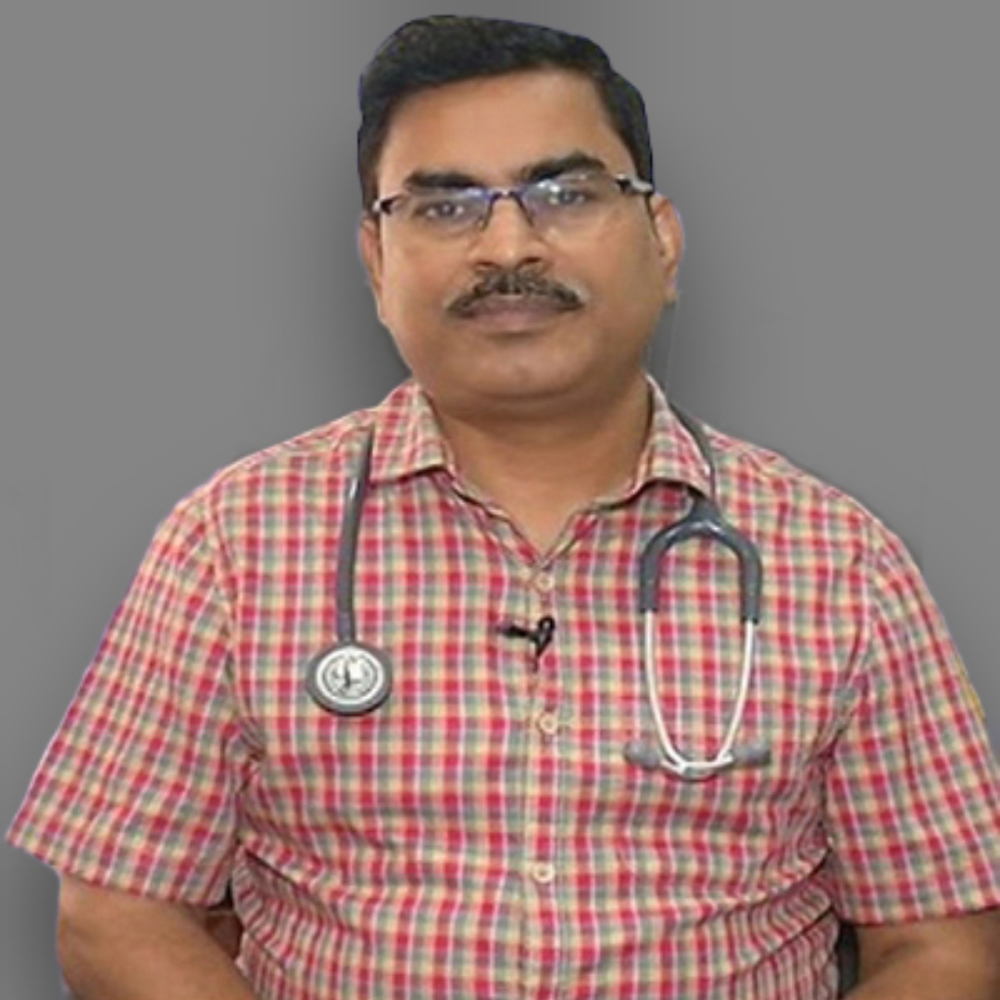
A Professional Doctor can help to get a professional stomach cancer treatment and suggest solutions. Dr. Harish Chandra Mishra approaches each patient with that understanding at the center of his practice.
As a Laparoscopic, Cancer & GI Surgeon Dr. Mishra focuses on the surgical management of gastrointestinal and cancer-related conditions, including complex cases involving the esophagus, stomach, and digestive tract. His approach combines minimally invasive laparoscopic techniques with a broader focus on individualized cancer care recognizing that no two patients, and no two tumors, are exactly alike.
Book an Appointment
If you are experiencing persistent digestive symptoms, unexplained weight loss, gastrointestinal bleeding, or other concerning symptoms, seeking appropriate specialist evaluation is a responsible step. Consult a surgical gastroenterologist in Cuttack for a thorough assessment and personalized guidance. Early evaluation can help identify the cause of your symptoms and ensure you receive the care you need.
Visit Life Institute of Gastroenterology and Gynecology | Best 24/7 Surgical Hospital
Address :- Potapokhari, Block Chhaka, Naya Bazaar, Kataka, Odisha 753004

