


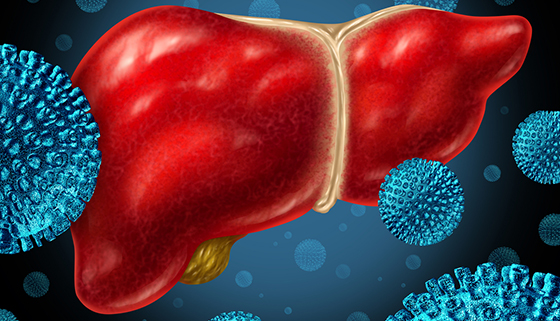

What is hepatitis?
- Hepatitis is the medical term for inflammation of the liver.
- There are a number of types and a number of causes of hepatitis.
- The type and cause will affect how serious an illness it is.
- In some cases, it can be very mild, in others a more serious condition.
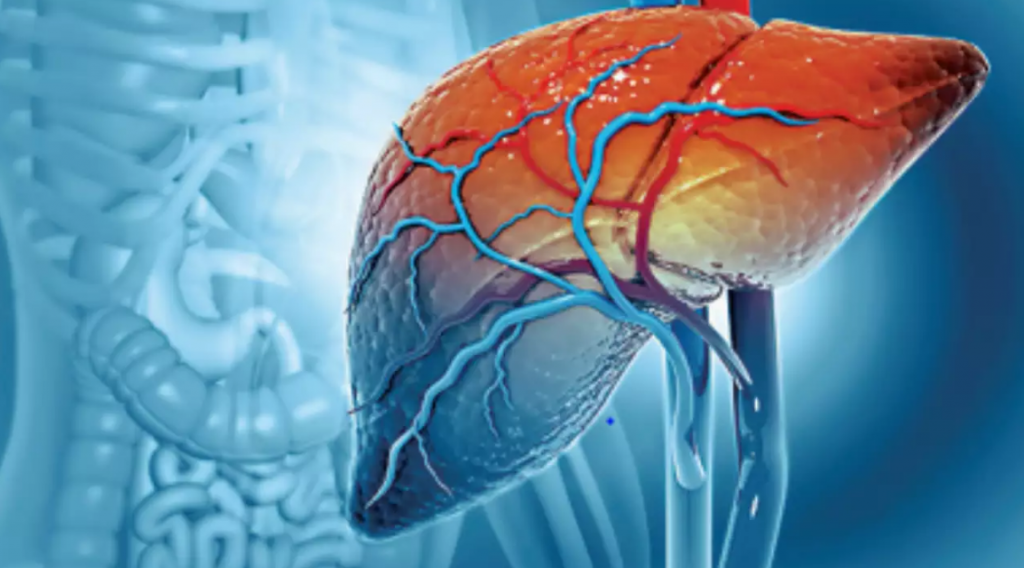
What are the types of hepatitis?
- Hepatitis is divided into:
- Acute – a short-lasting illness.
- Chronic – when the illness has lasted for longer: six months or more.
- Acute hepatitis can sometimes go on to become chronic.
- Chronic hepatitis can cause liver damage in the long term.
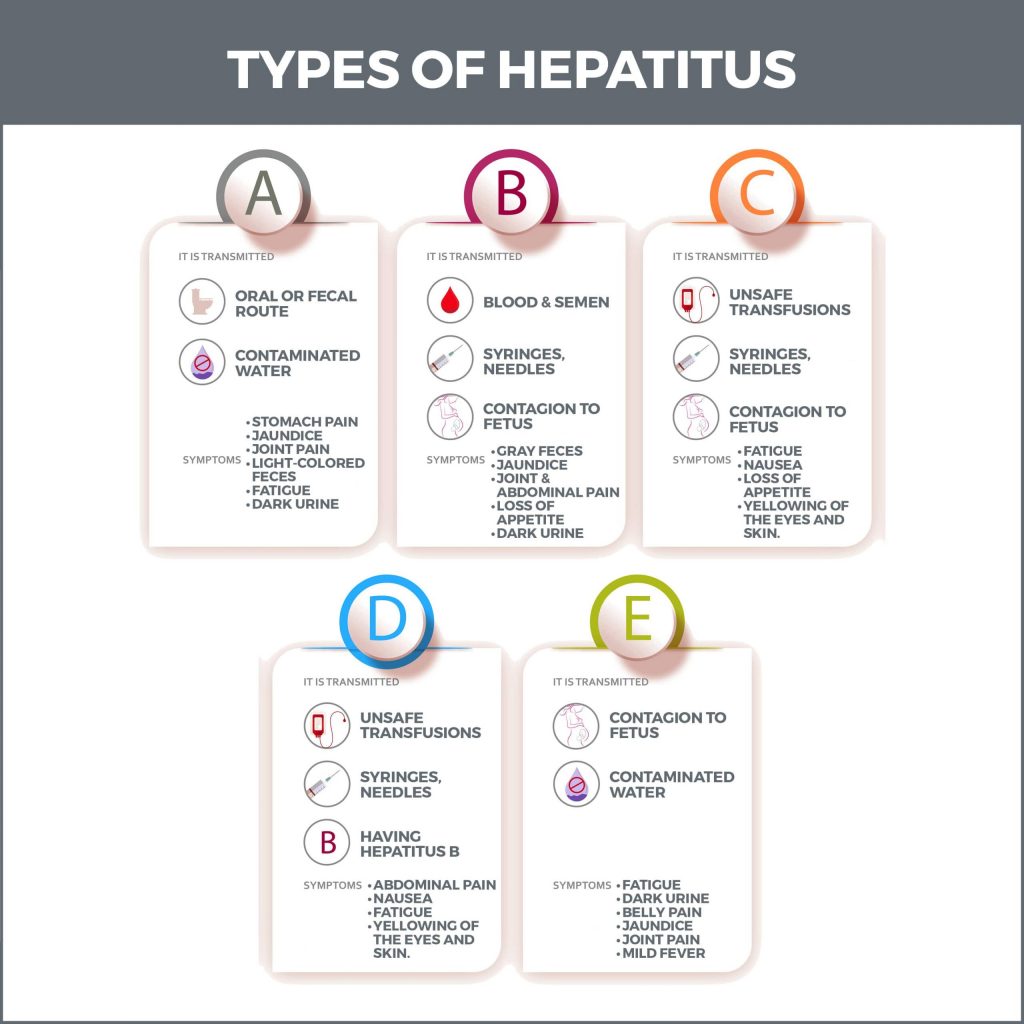
What are the causes of hepatitis?
There are a number of things that can cause hepatitis – for example, drinking too much alcohol, various drugs and chemicals, and several different viruses.
Each cause of hepatitis results in a rather different illness, which is obtained differently, behaves differently, and is treated differently.
The main causes are:
(A) Viral hepatitis
The most common cause of hepatitis is infection with a virus. There are different viruses that can cause different types of hepatitis. They are:
Hepatitis A. This tends to be a short-term (acute) illness. It is usually spread by eating or drinking something contaminated with the hepatitis A virus. It is more common in developing countries.
Hepatitis B. This is acquired through blood or body fluids. So it can be passed on from another person during sex, or by use of contaminated needles (for example, by drug users). It can also be passed from a pregnant mother to her baby. Although it can be an acute illness, in some cases it can develop into a chronic illness and cause liver damage.
Hepatitis C. This is also spread through blood or body fluids, similar to hepatitis B. This is more likely to become a chronic illness and cause long-term liver problems. It is the most common type of viral hepatitis in the Western world.
Hepatitis D. This is spread in the same way as hepatitis B and hepatitis C. However, it can only affect people who also have been infected with hepatitis B. Hepatitis E. This is a similar illness to hepatitis A. It is also spread through contaminated food and drink, and also usually causes short-term illness, from which people usually recover fully. Other viruses can cause inflammation of the liver as part of the general illness they cause. However, hepatitis is not the main part of the illness (for example the Epstein-Barr virus, which causes glandular fever).
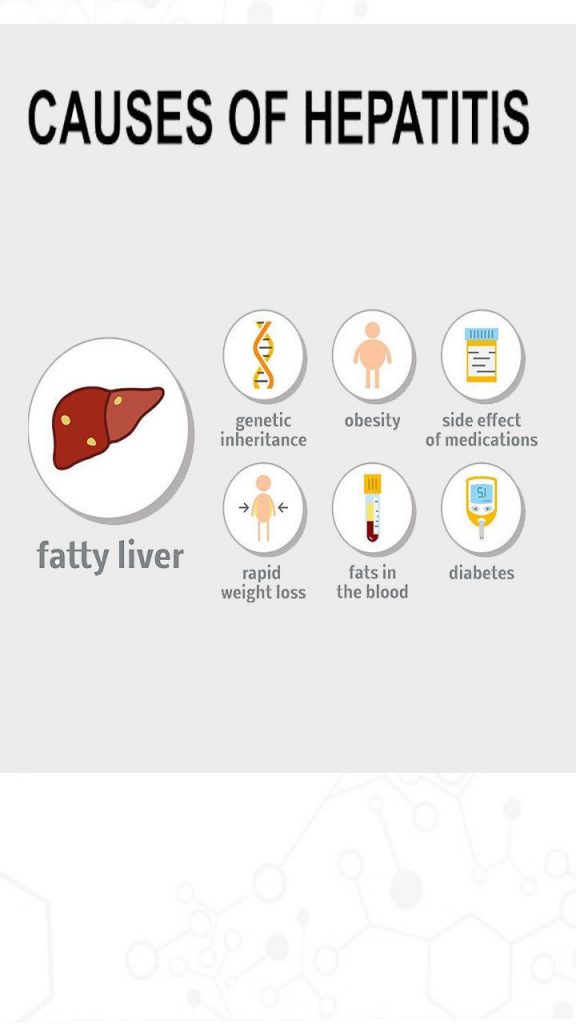
Can there be hepatitis without viruses?
There are many different causes of Hepatitis- other than the classical
hepatitis viruses like :
(B) Infections – (other than viruses) such as certain bacteria (Brucella, Bartonella, Coxiella cornetti, Leptospira, etc) and parasites (Entamoeba history etc), can rarely cause hepatitis (usually causes pyogenic abscess).
(C) Hepatitis – caused by toxins
Alcoholic hepatitis – is the most common toxin causing hepatitis. It is caused by excessive alcohol intake over a prolonged time. It is reversible if alcohol is reduced, but can go on to cause longer-term liver damage (cirrhosis).
Medication – some medicines can cause liver inflammation as a side effect. (For example, paracetamol, statin medicines which lower cholesterol levels, and certain antibiotics.)
Hemochromatosis – an unusual condition where the body stores too much iron can cause hepatitis. Wilson’s disease – an unusual condition where liver damage is caused by copper excess in the body.
(D) Non-alcoholic fatty liver disease
This is a range of conditions caused by a build-up of fat in the liver. Hepatitis is one effect this can have.
(E) Autoimmune hepatitis
This tends to be a chronic – longer-lasting – type of hepatitis. The body’s own immune system is thought to attack and damage the liver. Treatment is with medication to suppress this excessive immune response.
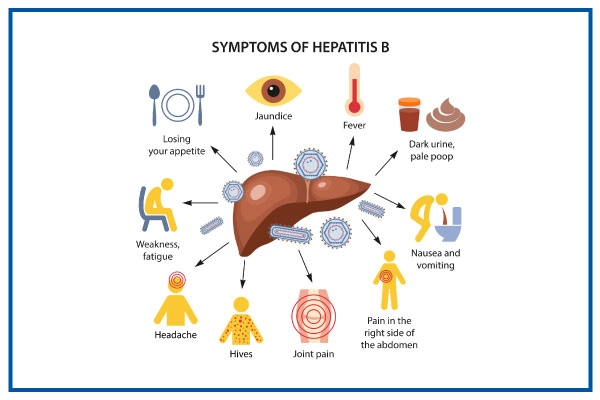
What are the symptoms of hepatitis?
- For the specific symptoms of each type of hepatitis, go to the leaflets of the individual types of hepatitis. The illness varies depending on the type of hepatitis and may be mild or very severe. Symptoms will also depend on whether the illness is acute or chronic.
- Common symptoms include:
- A yellow tinge to the skin or eyes (jaundice).
- Darker-coloured urine and pale-coloured stools.
- Muscle or joint aches and pains.
- Tummy or abdominal pain.
- A high temperature (fever).
- Feeling tired.
- A poor appetite.
- Feeling sick (nausea)
- Vomiting.
- Headache.
How hepatitis is diagnosed?
- History and physical exam: First your doctor will take your history to determine any risk factors you may have for infectious or noninfectious hepatitis. Abdominal examination may show pain or tenderness in the right upper abdomen, the liver will be felt if enlarged. Your skin or eyes will show – a yellow tinge.
- Liver function tests (LFT): Blood samples – determine how efficiently your liver works. Abnormal results of these tests may be the first indication that there is a problem, especially if you don’t show any signs on a physical exam of liver disease. High liver enzyme levels may indicate that your liver is stressed, damaged, or not functioning properly.
- Other blood tests: If your is abnormal, your doctor will likely order other blood tests to detect the severity of liver illness (Serum – protein/ albumin, PT with INR, Complete blood count, etc), detect the causes of hepatitis (IgG & IgM for Hepatitis A & E Virus, Hbs Ag for Hepatitis B, HCV –RNA for Hepatitis C, Other Autoantibody tests for autoimmune hepatitis, etc.
- Ultrasound of Abdomen and pelvis: Create an image of the organs within your abdomen. This test allows one to check the liver and nearby organs. It can reveal: fluid in your abdomen, liver damage or enlargement, liver tumors, abnormalities or stones in the gallbladder and bile ducts, and Pancreas.
- Liver biopsy: An invasive procedure – a sample of tissue taken from your liver (done through your skin with a needle and doesn’t require surgery, usually USG guided). This test allows you to determine how infection or inflammation has affected your liver and sample/biopsy of any areas in the liver that appear abnormal like a mass lesion.
What is the treatment of hepatitis?
Treatment options are determined by which type of hepatitis you have and
whether the infection is acute or chronic.
Hepatitis A: Hepatitis A usually doesn’t require treatment because it’s a short-term
illness. Bed rest may be recommended if symptoms cause a great deal of
discomfort. If you experience vomiting or diarrhea, follow your doctor’s orders for
hydration and nutrition. The hepatitis A vaccine is available to prevent this
infection. Most children begin vaccination between ages 12 and 18 months. It’s a
series of two vaccines. Vaccination for hepatitis A is also available for adults and
can be combined with the hepatitis B vaccine.
Hepatitis B: Acute hepatitis B doesn’t require specific treatment. Chronic hepatitis B
is treated with antiviral medications. Hepatitis B can be prevented with vaccination
For details check the Hepatitis B Leaflet and The Life Hepatitis B Detection and
Vaccination camp – TLHBDVC by “The Life Seva Trust”.
Hepatitis C: Antiviral medications are used to treat both acute and chronic forms of
hepatitis C. People who develop chronic hepatitis C are typically treated with a
combination of antiviral drug therapies. They may also need further testing to
determine the best form of treatment. People who develop cirrhosis (scarring of
the liver) or liver disease as a result of chronic hepatitis C may be candidates for
a liver transplant. Currently, there is no vaccination for hepatitis C.
Hepatitis D: Hepatitis D can be prevented by getting the vaccination for hepatitis B,
as infection with hepatitis B is necessary for hepatitis D to develop.
Hepatitis E :Currently, no specific medical therapies are available to treat hepatitis E.
Because the infection is often acute, it typically resolves on its own. People with
this type of infection are often advised to get adequate rest, drink plenty of fluids,
get enough nutrients, and avoid alcohol. However, pregnant women who develop
this infection require close monitoring and care.
Autoimmune hepatitis :Corticosteroids, like prednisone or budesonide, are
extremely important in the early treatment of autoimmune hepatitis. They’re
effective in about 80 percent of people with this condition. Azothioprine (Imuran) –
suppresses the immune system, and can be used with or without steroids. Other
immune-suppressing drugs like mycophenolate (CellCept), tacrolimus (Prograf), and
cyclosporine (Neoral) can also be used as alternatives.
Complications of hepatitis
- Chronic hepatitis B or C can often lead to more serious health problems like chronic liver disease, cirrhosis of liver, liver cancer (hepatocellular carcinoma).
- Liver Failure: Complications of liver failure like bleeding disorders or coagulopathy (measured by raised prothrombin time ), ascites ( fluid inside your abdomen), Portal hypertension (increased blood pressure in portal veins that enter your liver), Kidney Failure (two types of Hepatorenal syndrome are there ) and Hepatic Encephalopathy ot Hepatic Coma ( which can manifest as fatigue, memory loss, and diminished mental abilities due to the buildup of toxins, like ammonia, that affect brain function ) may occur as a end result.
- People with chronic hepatitis B and C are encouraged to avoid alcohol because it can accelerate liver disease and failure. Certain supplements and medications can also affect liver function. If you have chronic hepatitis B or C, check with your doctor before taking any new medications.
How can I prevent hepatitis infection?
Hygiene:
- Practicing good hygiene is one key way to avoid contracting hepatitis A and E. If you’re traveling to a developing country, you should avoid: local water, ice , raw or undercooked shellfish, oysters, raw fruit and vegetables.
- Hepatitis B, C, and D contracted through contaminated blood can be prevented by: not sharing drug needles, not sharing razors, not using someone else’s toothbrush, not touching spilled blood.
- Hepatitis B and C can also be contracted through sexual intercourse and intimate sexual contact. Practicing safe sex by using condoms and dental dams can help decrease the risk of infection.
Vaccines:
The use of vaccines is an important key to preventing hepatitis. Vaccinations are available to prevent the development of hepatitis A and Hepatitis B. Experts are
currently developing vaccines against hepatitis C.
If you need any kind of consultancy Talk to us.
