


Metabolic syndrome Also called: syndrome X
Definition
- Metabolic Syndrome includes high blood pressure, high blood sugar, excess body fat around the waist, and abnormal cholesterol levels.
- The syndrome increases a person’s risk of heart disease, stroke, and diabetes mellitus.
How to diagnose / Symptoms ??
Aside from a large waist circumference, most of the disorders associated with metabolic syndrome have no symptoms.
People may experience:
- Weight: obesity or overweight
- Also common: diabetes, high blood pressure, or pot belly
How is metabolic syndrome diagnosed?
Presence of three or more of the following components:
- Central abdominal Obesity (by waist circumference): Men – > 40 inches, Women – > 35 inches
- Triglycerides >/= 150 mg/dL HDL Cholesterol: Men < 40 mg/dL, Women < 50 mg/dL
- BP : > / = 130/85 mmHg
- FBS : > / = 100 mg/dL
What are the underlying causes / Mechanisms of metabolic syndrome?
- Overweight and obesity
- Physical inactivity
- Genetic factors
- Getting older
- Metabolic syndrome is also associated with a generalized metabolic disorder called insulin resistance, which prevents people from using insulin efficiently. Therefore, this c syndrome is also sometimes called insulin resistance syndrome
- People with metabolic syndrome are at increased risk of Coronary heart disease and heart attack.
- When the arteries that supply blood to the heart become narrowed or blocked by fatty deposits called plaque, they decrease the amount of blood and oxygen reaching the heart, which can cause chest pain (angina) or a heart attack.
- Type 2 diabetes. Diabetes occurs when the body can no longer make enough insulin or is unable to use insulin properly. This causes sugars to build up in the blood and increases risks for kidney failure and cardiovascular disease.
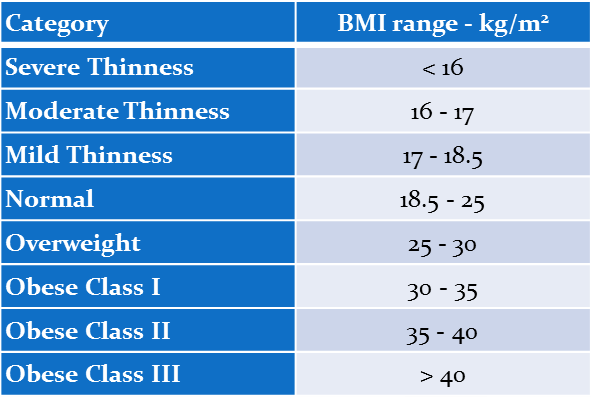
BMI Calculator & Obesity
“ Life Simple 7” defined by the American Heart Association as 7 risk factors that people can improve through lifestyle changes to help achieve ideal cardiovascular health and greatly improve the individual conditions that make up metabolic syndrome
How to Treat/reduce the risk of Syndrome X?
- Self care: Reduce your weight, increase your physical activity, and eat a heart-healthy diet rich in whole grains, fruits, vegetables, and fish.
- Medications: Anti-diabetic medication, Anti hypertensives, lipid lowering agents weight reducing drugs, etc. would help (in consultation with your healthcare provider).
How to Treat/reduce the risk of Syndrome X?
“Life Simple 7” provides a scoring tool and checklist with seven key heart-healthy targets for improving the quality and length of your life. “Life’s Simple 7” is defined by the American Heart Association as the 7 risk factors that people can improve through lifestyle changes to help achieve ideal cardiovascular health and greatly improve the individual conditions that make up metabolic syndrome.
What is Life’s Simple 7 ?

- Manage Blood Pressure: High blood pressure is a major risk factor for heart disease and stroke. When your blood pressure stays within healthy ranges, you reduce the strain on your heart, arteries, and kidneys which keeps you healthier longer.
- Control Cholesterol: High cholesterol contributes to plaque, which can clog arteries and lead to heart disease and stroke. When you control your cholesterol, you are giving your arteries their best chance to remain clear of blockages.
- Reduce Blood Sugar: Most of the food we eat is turned into glucose (or blood sugar ) that our bodies use for energy. Over time, high levels of blood sugar can damage your heart, kidneys, eyes, and nerves.
- Get Active: Living an active life is one of the most rewarding gifts you can give yourself and those you love. Simply put, daily physical activity increases your length and quality of life.
- Eat Better: A healthy diet is one of your best weapons for fighting cardiovascular disease. When you eat a heart-healthy diet, you improve your chances of feeling good & staying healthy.
- Lose Weight: When you shed extra fat & unnecessary pounds, you reduce the burden on your heart, lungs, blood vessels, and skeleton. You give yourself the gift of active living, you lower your blood pressure and you help yourself feel better, too.
- Stop Smoking: Cigarette smokers have a higher risk of developing cardiovascular disease. If you smoke, quitting is the best thing you can do for your health.
These measures have one unique thing in common: any person can make these changes, the steps are not expensive to take and even modest improvements to your health will make a big difference. Start with one or two. This simple, seven step list has been developed to deliver on the hope to live a long, productive healthy life.
Harmful Effects of Junk food

