


Introduction – “The Pancreas”
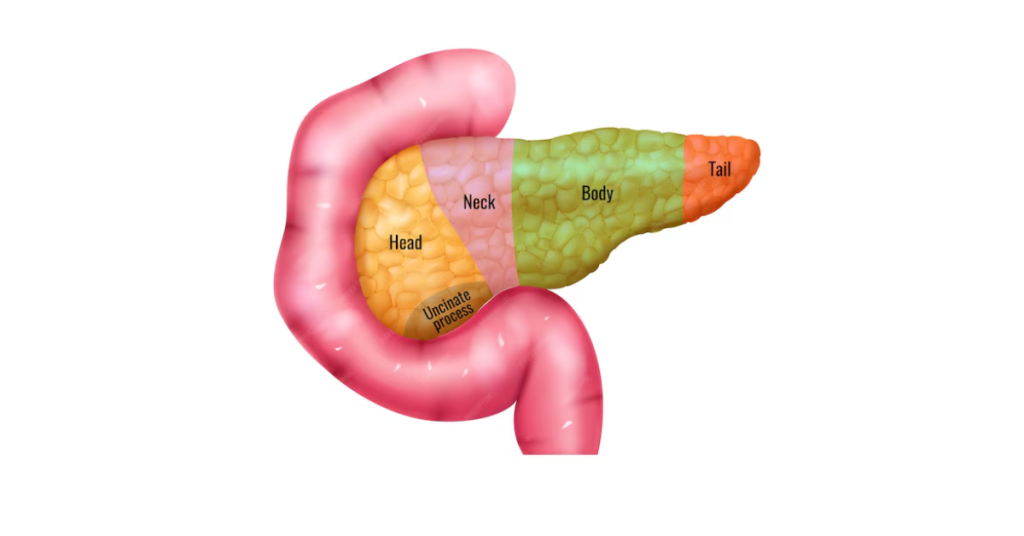
The pancreas is an organ that has two important functions in digestion: the production of enzymes to digest food and the production of hormones to control blood sugar.
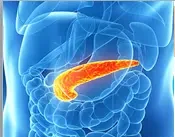
The pancreas is positioned beneath and behind the stomach in a location referred to as the retroperitoneum. It is surrounded by the stomach, small intestine, spleen, and liver.
The pancreas has a structural shape similar to a fish with the three main parts being the head, body, and tail.
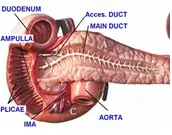
The pancreas is responsible for producing enzymes to digest food. These enzymes pass through the pancreas into the intestine through a pipe referred to as the pancreatic duct. Without these enzymes, food is not digested and absorbed, leading to malnutrition, weight loss, and diarrhoea.
The pancreas makes insulin and glucagon, two important hormones that control blood sugar. Patients who do not make enough insulin develop diabetes mellitus.
What is pancreatitis?
•Pancreatitis means inflammation of the pancreas. There are two types:
•Acute pancreatitis – the inflammation develops quickly, over a few days or so. It often goes away completely and leaves no permanent damage. Sometimes it is serious.
•Chronic pancreatitis – the inflammation is persistent. The inflammation tends to be less intense than acute pancreatitis but as it is ongoing it can cause scarring and damage. See separate leaflet “Chronic Pancreatitis” for more details.
•Acute pancreatitis has become more common in recent years. One of the reasons for this is – increase in alcohol consumption recently – in particular, binge drinking.
Acute Pancreatitis – Pathophysiology
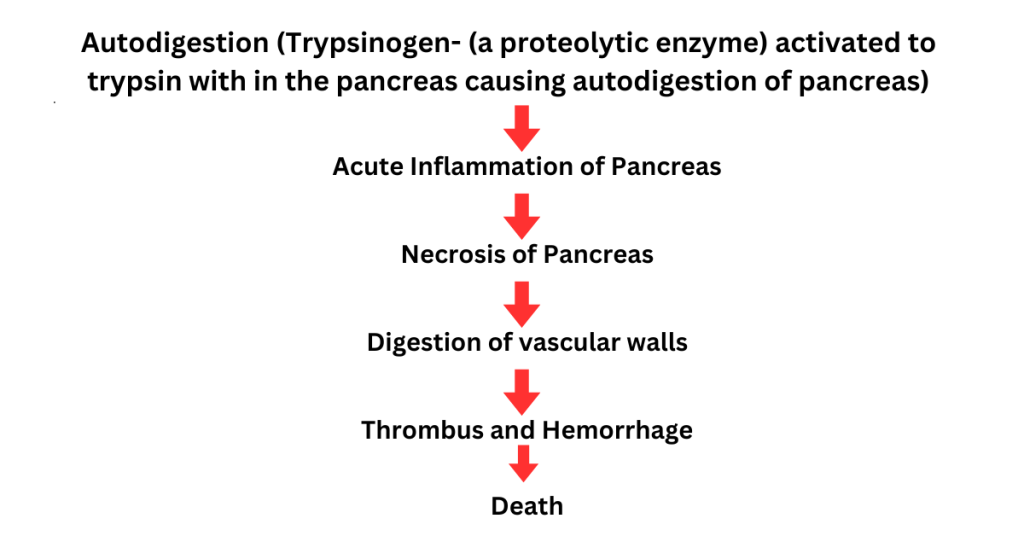

What are the causes of Pancreatitis?
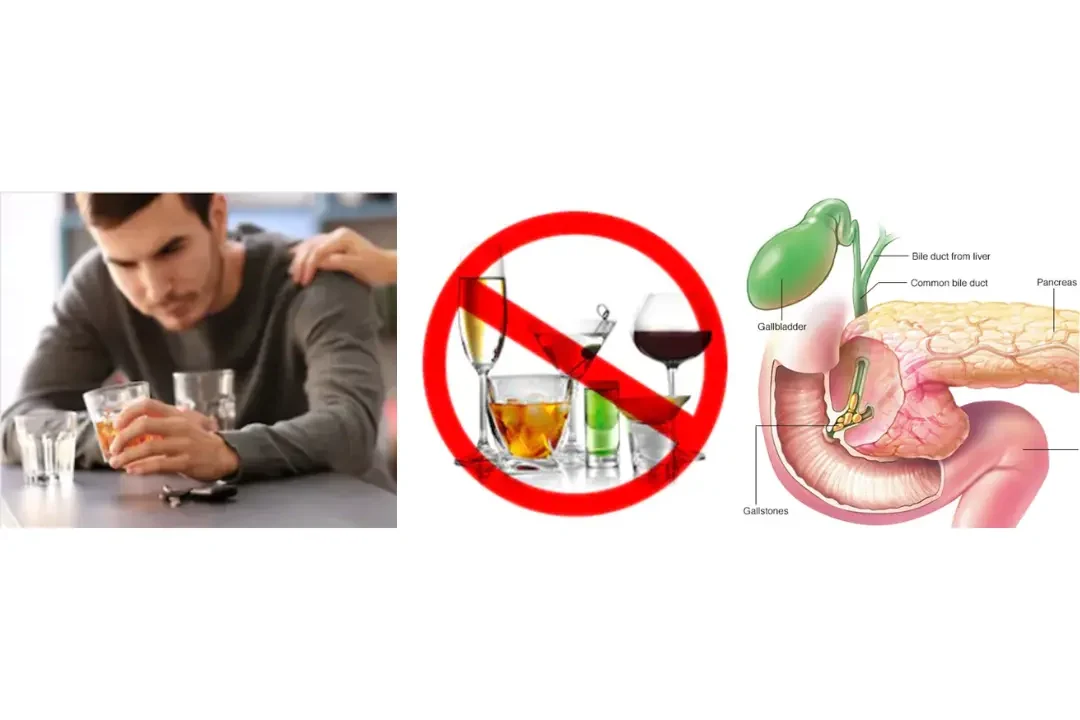
•Alcohol – one of the common causes. Actually mechanism – not clear. Symptoms typically begin about 6-12 hours after a heavy drinking session. In some people each time they drink – develop a serious attack (even after a small amount of alcohol, i.e. – ‘sensitivity’ of pancreas).
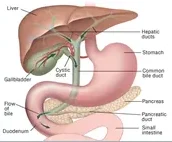
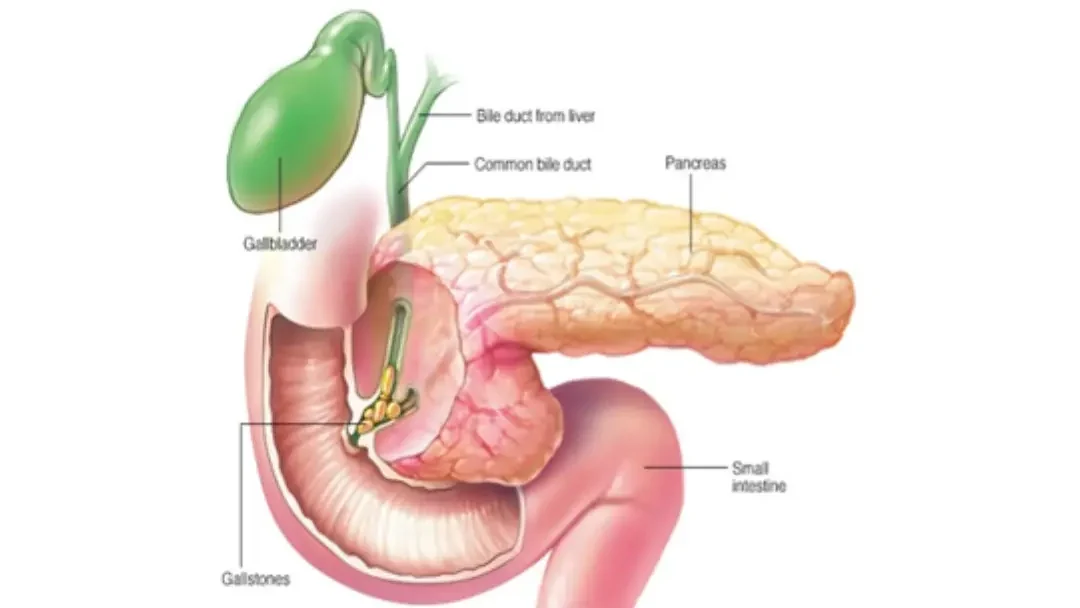
•Gallstones – the most common cause, in female in India. In some people a gallstone becomes stuck in the lower end of bile duct or where the bile duct and pancreatic duct open into the duodenum. This can affect the chemicals (enzymes) in the pancreatic duct (or even block them completely) and trigger a pancreatitis.
•Gallstones or alcohol cause more than 70-80% of all cases .
Other causes are rare.
•Post-ERCP pancreatitis
•High blood fat levels – hypertriglyceridaemia. Cause 1-4% of all cases (more during pregnancy).
•High blood calcium levels (hyperparathyroidism/ hyperthyroidism etc).
•Abnormal structure (pancreas divisum, annular pancreas etc).
•Viral infections (for example, the mumps virus, HIV).
•Injury or surgery around the pancreas.
•Drugs / Infections
•Hereditary – inherited from a parent.
•Autoimmune – example, Sjögren’s syndrome, primary biliary cirrhosis.
•Unknown – approax. 10-20% cases
Symptoms & Signs of acute pancreatitis
- Upper abdominal pain
- Just below the ribs, is the usual main symptom.
- It usually builds up quickly (over a few hours) and may last for several days.
- The pain can become severe and is typically felt spreading through to the back.
- The pain is usually sudden and intense
- Occasionally it may begin as a mild pain that is aggravated by eating and slowly grows worse.
- Vomiting, a high temperature (fever) and generally feeling very unwell – are common (typically following binge drinking).
On Examination :
- Abdomen – may become swollen.
- If the pancreatitis becomes severe and other organs become involved (for example, your heart, lungs, or kidneys) then various other symptoms may develop.
- You may become lacking in fluid in the body (dehydrated) and have low blood pressure.
- Acute pancreatitis can cause you to be very poorly and can even be life-threatening.
What happens if acute pancreatitis is suspected?
- Severe Upper abdominal pain, radiating to back, feeling better on bending forward. Vomiting (typically following a binge drinking) & feel generally unwell.
- You will need to be admitted to the hospital if your doctor suspects that you have acute pancreatitis.
- Blood tests – Serum amylase and/or lipase (enzymes made by the pancreas), a high blood level of these enzymes strongly suggests – pancreatitis is the cause of your symptoms. Other tests to know your general well-being and any evidence of organ system damage.
- An ultrasound scan – ( to look for a gallstone if this is the suspected underlying cause)
- X-ray of Abdomen in erect posture (to exclude other causes).
- Severity: CECT scan of abdomen and pelvis.
- MRCP / ERCP
- Triage: Admission to ICU / Critical care unit/ward.
Classification of Acute Pancreatitis- Revised ATLANTA criteria 2012
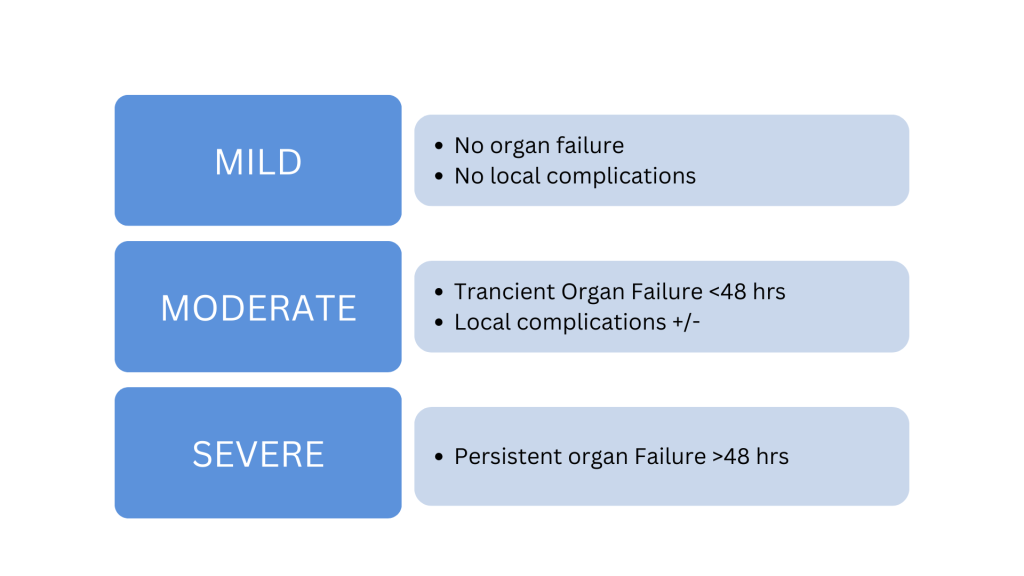
Local complications:
acute peripancreatic fluid collection, pancreatic pseudo cyst, acute necrotic collection, pleural effusion
Organ failure:
failure of 3 main organs, respiratory, cardiac, renal and other organ systems (hepatic, hematological, Neurological)
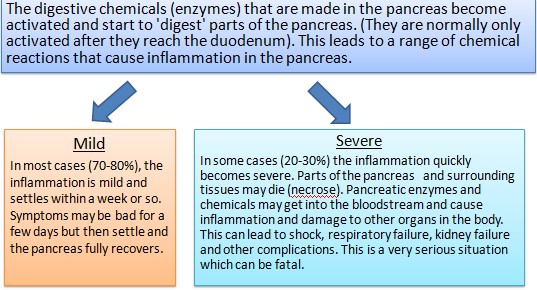
What is mechanism of acute pancreatitis?
SEVERITY INDEX IN ACUTE PANCREATITIS
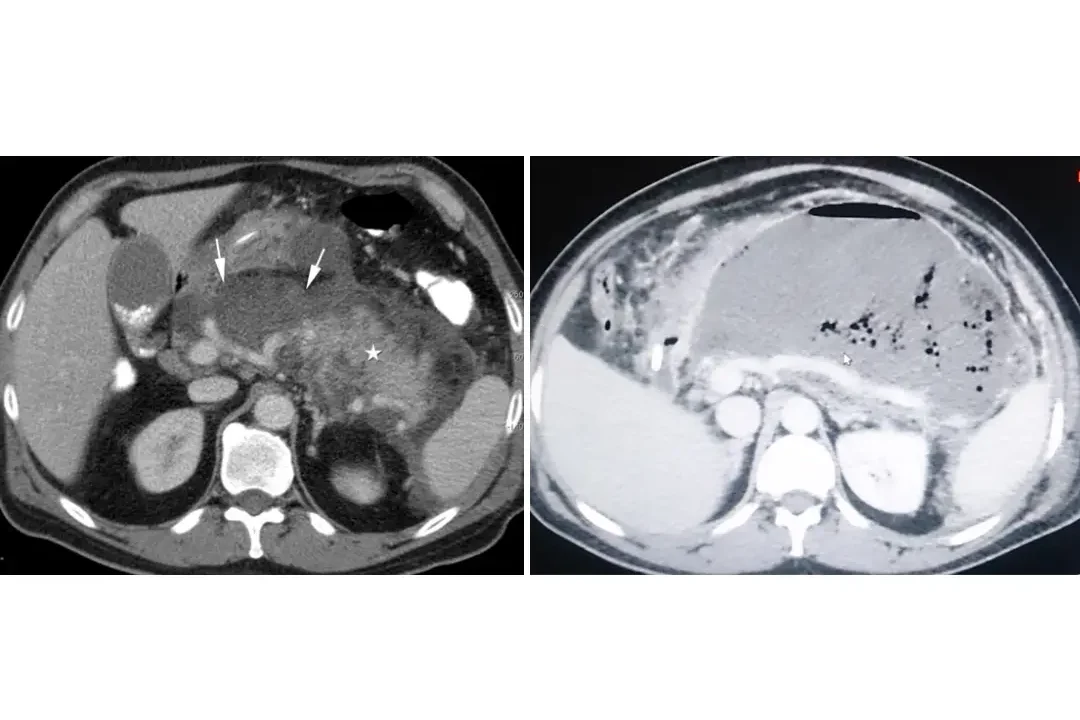
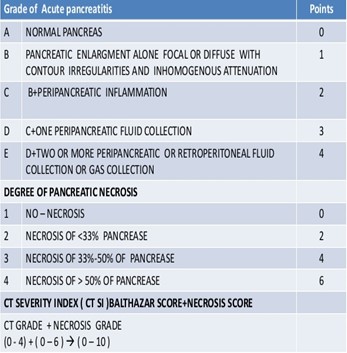
TREATMENT OPTIONS
•Treatment for acute pancreatitis depends on the severity of the condition.
•The treatment plan – often involves a team of specialists including gastroenterologists, surgeons, and radiologists.
•Mild Acute pancreatitis (needs hospitalization) (70-80%)
–administration of IV fluids to help restore blood volume.
–nasogastric tube – Decompression / Enteral feeding
–Antibiotics – if infection occurs
–pain medications are often used to provide relief.
–Urinary catheter – to drain urine – monitor accurate amount of urine
•In this case the outlook is very good and full recovery is usual.
•Severe Acute pancreatitis (20-30%)
•Needs close monitoring in ICU
•Daily evaluation of severity
•To look for evidence of organ failure(CVS, Respiratory, Renal failure)
•Despite ICU care / treatment, up to a quarter of people will die.
•Surgery is sometimes needed when complications
–infection,
–cysts, or bleeding occur.
Infected peri-pancreatic fluid collection(PFC) / Pancreatic Infected Necrosis / abscess
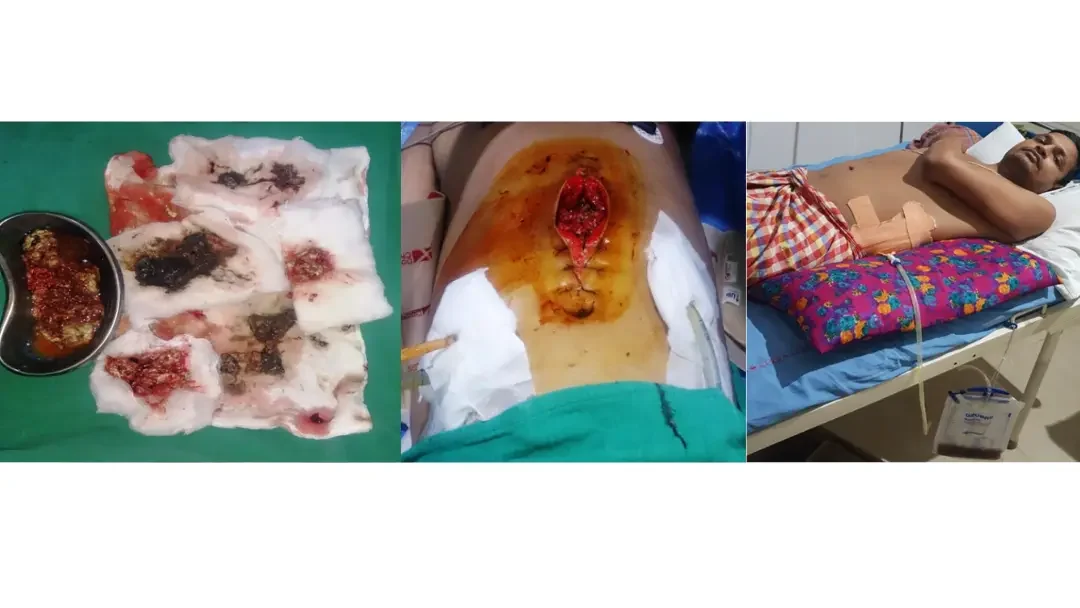
5-15% of all pancreatitis develops – PFC/IPN
contain pancreatic enzymes, blood & necrotic tissue.
Conservative Rx with enteral nutrition, Wait for initial 2 -4 weeks à Failure , then Surgery
Drainage –
Radiological : CECT scan / USG guided drainage
Endoscopic (EUS guided Transmural drainage)
Surgical – Necrosectomy + Irrigation & Drainage
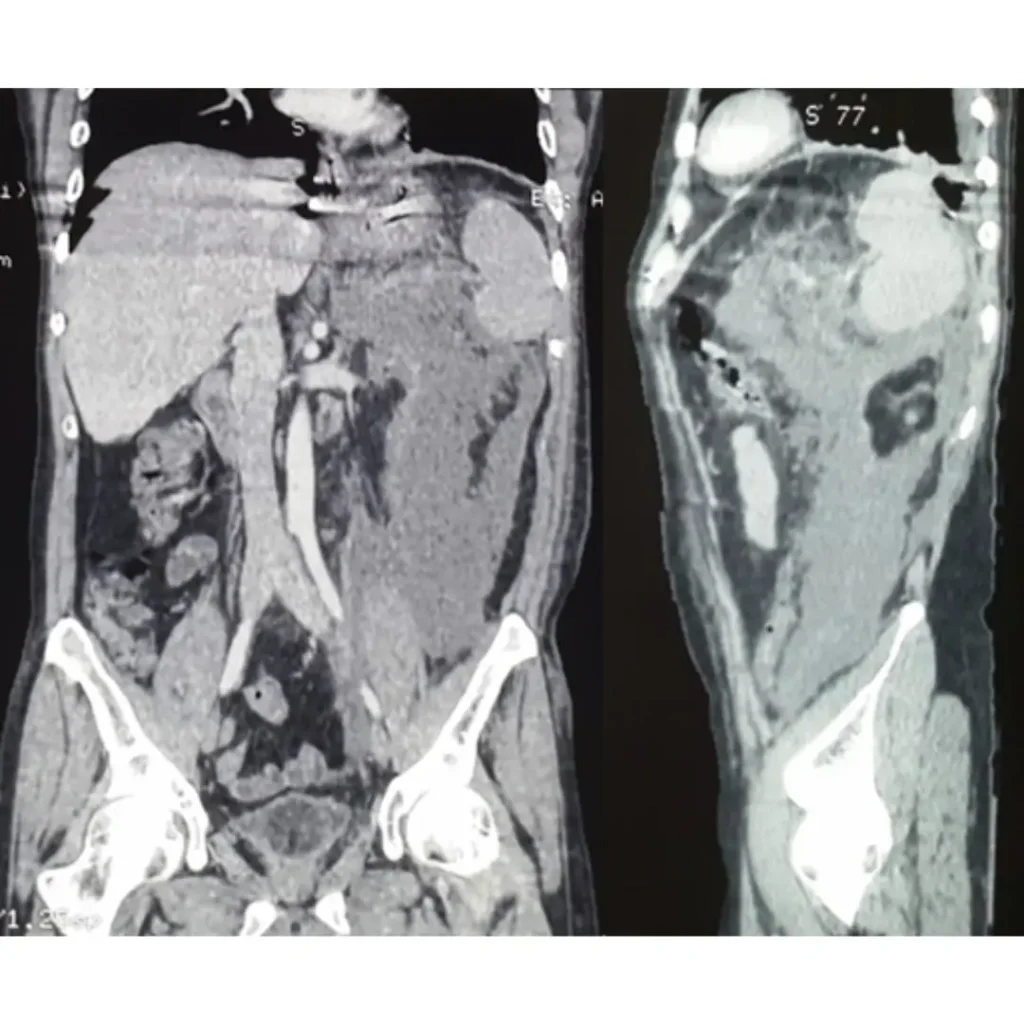
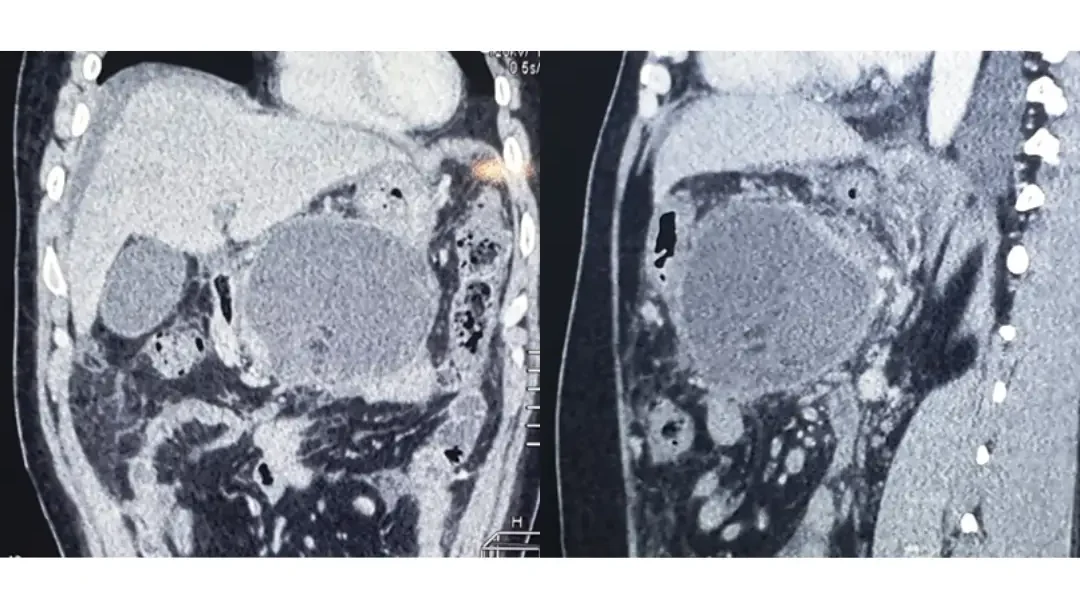
Pseudocyst of pancreas
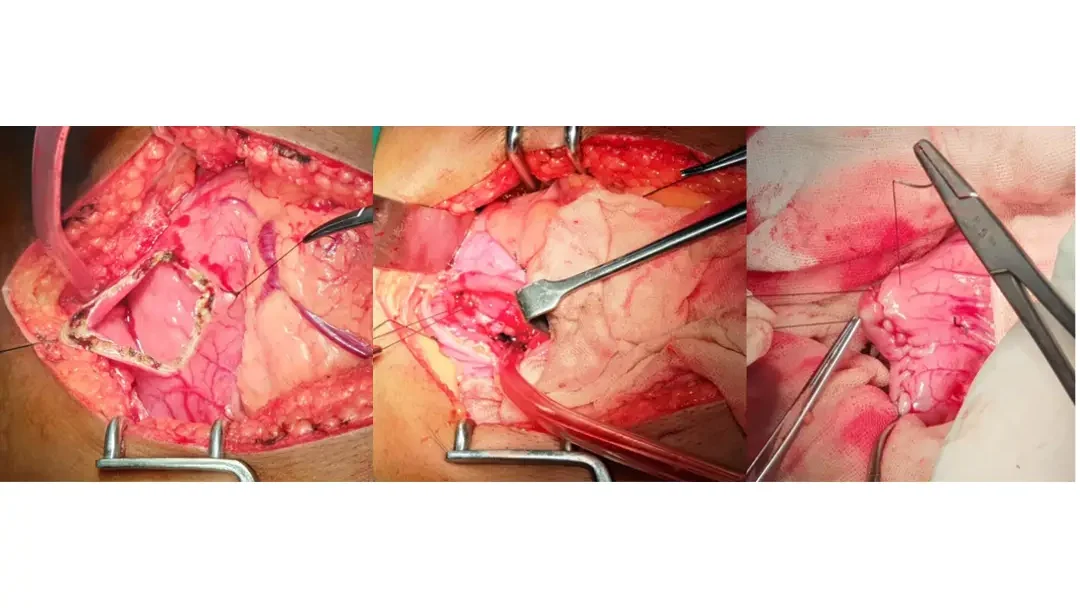
Fluid filled sac around pancreas containing pancreatic enzymes, blood and necrotic tissue.
Sometimes communicate with pancreatic duct (MRCP – extent, location, types)
Surgery – Wait for initial 6weeks / > 6cm size
Drainage –
Endoscopic (EUS-guided Transmural drainage)
Surgical – Cystogastrostomy/ cusytojejunostomy
Laparoscopic / radiological
What happens after Acute pancreatitis?
Gall stone pancreatitis
Initial – ERCP + Billiary drainage if E/O – cholangitis
Lap Cholecystectomy in Mild to moderate cases
Severe GSP : Interval LC after 3 to 4weeks
After successful treatment
•Try and determine the cause of the attack and try to prevent recurrence.
•Patients usually recover fully from acute pancreatitis and do not experience recurrence if the cause is removed.
–Alcohol – eliminated or greatly reduced, even if it is not the determined cause.
–Smoking – should be stopped (stresses the body’s defense against inflammation)
–Specific foods – trial and error approach is usually indicated.
•Long term –
–Recurrent AP à Chronic Pancreatitis,
–Complications – Steatorrhoea / Diabetes mellitus

